Showing posts with label health issues. Show all posts

Monday, 20 June 2016

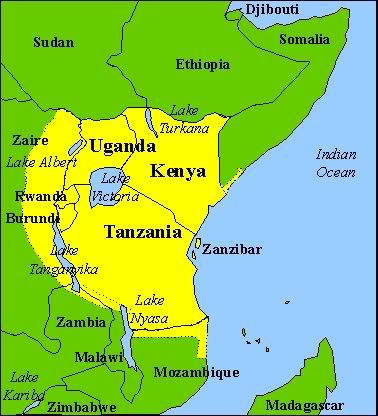
Kenya to Host East Africa Center for Disease Control

After a successful capacity assessment conducted by experts from various international health bodies such as World Health Organization (WHO), African Union (AU), US CDC and China CDC, Kenya has been selected to host the Eastern Africa Regional Collaborating Center of the Africa Centers for Disease Control (CDC). This was disclosed by the Health Ministry in a statement earlier this month.
According to the statement, the Africa CDC intends to use this center to monitor and address public health issues in the region as well as to monitor the response to and handling of emergencies and outbreaks within the region.
Kenya is said to have earned hosting rights because of the strength of it's disease surveillance systems and how it was engaged in sending health experts to Liberia and Sierra-Leone during the Ebola epidemic.
There will be a formal endorsement of Kenya to function in her new capacity by the Heads of state during the African Union (AU) summit. Other regional collaborating centers of Africa CDC are: Egypt, Gabon, Nigeria and Zambia.
Also included in the statement was the fact that, “The award is expected to strengthen the country’s health systems by enhancing disease surveillance capacity in terms of infrastructure and human resources, disease outbreak alert systems as well as improve laboratory capacity.”
This is a positive and commendable development and the health sector of Kenya is sure to experience a boost as a result of this.
 
Written By: Ozioma Paul
Tuesday, 14 June 2016

Ebola - like disease in South Sudan

Ipast weeks, an Ebola-like disease has hit South-Sudan and has claimed at least 10 lives. The mysterious South-Sudan fever is said to have symptoms similar to Ebola such as bleeding, fatigue and vomiting. However, laboratory tests so far have proven that it is not Ebola and the World health Organization has reported that unlike Ebola, these symptoms quickly disappear when the patients are treated effectively. Other observations and investigations have also revealed that this fever does not seem to be transmissible from person to person as is common with the Ebola virus disease, the mode of transmission is still unclear.

According to the World Health organization (WHO), South Sudan has since last December reported that there have been about 51 reported cases of the “undiagnosed hemorrhagic fever syndrome”. 
All of these cases occurred in the northwest countries and the WHO stated that the spread of this disease to this part could very well be attributed to the North-South Sudan Border movement.This has become a source of serious concern to South Sudan and international health bodies.

Rohit Chitale, an epidemiologist with the United States-based Center for Disease Control and Prevention (CDCP) stated that: “the lab results are not consistent with the symptoms, and that is what is concerning.” Blood samples were taken to WHO laboratories from South Sudan for further tests and reports have shown that although some of these blood samples tested positive to mosquito-borne viruses, none of them tested positive to Ebola or Zika Virus. This leaves the cause of the deaths still unexplained. Further laboratory tests are on-going to reveal the causative agent.

Tuesday, 31 May 2016

UN Health Agency launches Program for Outbreaks and Humanitarian Emergencies

The member states of the World Health Organization (WHO) have at the 69th World Health Assembly (Geneva, 2016) reached an agreement to establish a new Health Emergency Program. The assembly which holds every May is attended by delegations from all of the World Health Organization’s member states. Health, financial, and operational policies of the health agency are created or renewed at this gathering.
This new programme is designed to complement and improve upon the health agency’s traditional roles with operational capabilities for outbreak and humanitarian emergencies. The World Health Organization also stated in a news release that the program is designed to equip communities, countries and regions with rapid and comprehensive support in avoidance, recovery and management of disasters, disease outbreaks, and other emergencies.
Under this new programme, while the director-general is to have ultimate authority, the responsibilities of the executive director include overseeing: strategic planning, staff and partner relations, program budget and risk and performance monitoring. The regional directors are also responsible for day to day management of emergencies, partner and intergovernmental relations and enforcing programme standards.
According to the WHO, there has already been financial support for the new program from some member states: Australia, Germany, Japan and Sweden.
With the 130 million people in need of humanitarian assistance worldwide, this agreement by the member states serves as a huge encouragement for the WHO. The director-general of the World Health Organization, Dr. Margaret Chan welcomed this development as she stated: “I particularly welcome the contribution of $50 million from the government of Japan, a sign of confidence in our new Health Emergencies Programme from a long-standing supporter of WHO’s work for emergencies.”
The member states’ delegates have agreed to a budget of $494 million for the 2016/2017 programme to help fulfill their new responsibilities. This is an increase of $160 million to the already existing budget for WHO’s emergencies work.  
WHO also reported that since February, several components of this new programme have already been used.  A major example according to Peter Graaff, the director of WHO’s Emergency Operations and Ebola Response is when $500 million was released to kick start operations within 24 hours of Dr. Chan’s declaration of Zika epidemic as a public health emergency concern.
This new programme is more standardized and is set to bring significant change in the World Health Organization’s handling of emergencies.


Written By: Ozioma Paul

Tuesday, 24 May 2016

WHO CONFIRMS ZIKA VIRUS IN AFRICA

Dr. Matshidiso Moeti, the Regional Director of World health Organization (WHO) for Africa has confirmed the spread of Zika virus in Africa.
The disease is caused by a certain breed of mosquito known as Aedes mosquitoes, it has been linked with microcephaly (a fetal brain abnormality in which babies are born with small brains). Some of the symptoms include mild fever, skin rash, conjunctivitis, malaise or headache and these symptoms often last for 2 to 7 days.
WHO stated that for the first time scientists were able to confirm the spread of the Asian spread of the virus in Cape Verde. Dr. Anna Checkly of the University College London Hospitals also stated that: “There has been an outbreak of the Zika Virus Infection in Cape Verde since October 2015, and today the World Health Organization confirmed that it is the Asian, rather than the African strain of the virus that is causing these infections.” Tests have proven that this Asian strain is the same one said to be responsible for the birth anomalies recorded in Brazil.  Dr. Checkly also warned that the Asian strain of the virus which was confirmed in Africa by the WHO is probably more infectious to humans than the African strain.
As stated by the Global Health Agency, In Cape Verde there has been over 7000 suspected cases and 180 pregnant women have been infected with the virus. Meanwhile, the World Health Organization has also stated that already three babies have been born with microcephaly.
Dr. Moeti has implored Africans Countries to increase awareness of the virus among pregnant women. She also advised that travellers protect themselves from mosquito bites although she said she would not recommend any strict travel restrictions.
There is currently no vaccine or specific treatment available to cure this disease. Hence, the best form of prevention and protection available is protection against mosquito bites.

Written by: Ozioma Paul

Monday, 4 April 2016

The Ebola virus outbreak is no longer an emergency!!!


The 9th meeting of the Ebola emergency committee organized by the World Health Organization (WHO) Director­ - General under the International Health Regulations (IHR) concerning the Ebola virus outbreak in West Africa took place on the 29th of March 2016. It was said at the meeting that the Ebola virus situation in West Africa is no longer a public health emergency of International concern. Hence, the suspension of the temporary recommendations adopted in its response.

The Director - General of the committee alluded to the fact that the meeting advised him that the Ebola situation in West Africa no longer constitutes a Public Health Emergency of International concern. He further reiterated that a cluster of new Ebola cases and deaths have been reported in Guinea and involve a single chain of transmission. In the committee’s view, the affected country(ies) have the required capacity and capability to manage the flare ups. 

He further said that experts on Ebola noted during the meeting that the Ebola response capacity in West Africa is strong. 

Also in anticipation of further flare ups, the committee has kept hundreds of its experienced staff ready to contribute to the kind of emergency response needed to interrupt the transmission chains.

Indeed this is great news! However, the West African community must maintain the capacity and readiness to prevent, detect and respond to any ongoing transmission or flare up of new cases in the future.


Meanwhile, in Liberia, a flare up of Ebola cases is being attended to by the Liberian health authorities. This latest flare up of Ebola in Liberia has been traced to a woman who arrived in Liberia from Guinea on the 21st of March 2016 after her husband supposedly died from unknown causes in Guinea.

Written By: Jimoh Waliu

Tuesday, 15 March 2016

Improving the state of Health in Kenya

In recent times, there has been an increase in the support from external bodies; international and corporate organizations to improve the state of health in African nations. One of such supports was recently given to Tesla Cancer Hospital, Kenya by their health technology partner, GE Healthcare.


GE healthcare is set to provide the most current Imaging technology from GE to help doctors in diagnosing. It is also to boost the confidence of both the doctors and patients during the process of diagnosing cancer and other non-transmissible disease.


With the projections of the World Health Organization that by 2030, in sub-saharan Africa, Non-transmissible or Non-communicable Diseases (NCD) will be the leading cause of death; dealing with this class of diseases has become a top priority in Kenya's health system.


The key to successful treatment lies in early detection, prompt diagnosis and effective treatment. Among Non-communicable disease, the major cause of concern is the increasingly growing rate of cancer as it ranks third among the largest causes of death in Kenya.


Because of limited resources, screening services for cancer takes too long and most times, as the patients wait, the cancer spreads uncontrollably and often times leads to death.


The Telsa Cancer Hospital is set to provide high quality, world-class oncology services to cancer patients coupled with their latest diagnostic technologies for better cancer care. Their health technology partner: GE, is set to provide them with a radiopharmacy unit which would give room for drug administration that aids effective diagnostics, and some imaging technologies such as Ultrasound, Computed and Positron Emission Tomography, Magnetic Resonance, clinical solutions, and Installation of the first Cyclotron in Kenya.


The chairman of Tesla Cancer Hospital stated that "With the rapid rise of cancer and other forms of non-communicable disease in Kenya, there is a significant opportunity to strengthen health services to improve standards of care. This hospital will help Kenyans across the country, many of whom have been financially and emotionally affected by the impact of disease. We will also improve the skill level of medical professionals in our community."


This new development in Telsa Cancer Center will largely equip doctors and oncologists with latest technologies for diagnostics and would go a long way in fighting cancer and other non-communicable diseases.


Culled from: Vanguard news
Written by: Paul Ozioma

Monday, 8 February 2016

The on going drought in East Africa .....

East Africa is experiencing one of the worst cases of drought and food insecurity. Lots of lives, and livestock have been lost due to the starvation and famine that has characterized this region in the past months. This is largely due to the poor rainfall in 2015 and the ongoing El Niño which has resulted in severe crop failures, this situation is being worsened by the recurring conflict in the region. 

 The conflicts that have gone on for a while in some parts of East Africa such as: Yemen, South Sudan, Burundi has resulted in high rates of displacement of people. This displacement is a contributing factor to the current state of East Africa especially in Ethiopia and South Sudan as regards food security, this is because when displacement occurs, people lose their lands, shelter, farmlands, food stock and livestock. Also, when people are displaced, they are separated from the little sources of food: such as markets and farmlands, water, and other basic necessities of life such as: proper health care and a means of income amidst others. 

Asides from the displacements, when there is crisis and fighting, there is instability and many people would be unable to plant crops.
According to the LA Times, “10.2 million Ethiopians are in critical need of food aid. International agencies are trying desperately to raise funds to prevent the food emergency from deteriorating into a full-fledged famine, but so far they say they have raised only a small portion of the cash they need to offer help. As El Niño continues into 2016, in some regions that have experienced the El Niño-related dryness, access to food is expected to deteriorate significantly.” Serge Tissot of the U.N’s Food and Agriculture Organization also stated that “the World Food Program has less than 5% of the funding it needs to help the people in Ethiopia”. The situation is very critical and as at now, livestock are being severely affected. Apart from the crop failure and death of livestock, about 2.1 million people are severely malnourished in Ethiopia.
The current state of East Africa is not far from full-fledged famine. The international bodies we usually would look up to for help do not have enough resources to completely combat the situation in these regions. It gets worse as the people are forced to consume that which would be used for the next planting season. This poses a threat to the little progress and development this region has recorded over the past decade.
Conclusively, if the conflict in East Africa continues to worsen, then most certainly the issue of food security will also continue to deteriorate. This serves as a call for international intervention firstly to help put an end to this prolonged crisis, provide food supplies to the affected people and then help improve on the state of crops and livestock.

Saturday, 23 January 2016

Celebrating Impact: Cradle count; A new mobile app designed to help reduce infant/maternal mortality in Nigeria ....


A new mobile application that can help to reduce the scourge of infant and maternal mortality has been developed by a young and innovative Nigerian, Miss K. Nwokolo. This mobile application is called Cradle count.


It is to help reduce to the barest minimum errors in estimating the expected date of delivery, since one of the major challenges faced by pregnant women in Nigeria and in Africa at large, is unexpected delivery which in many cases have led to delivery related complications resulting in infant and maternal mortality.


This is very promising I must say because currently about ninety nine percent of the 830 daily maternal mortality cases that occur globally are recorded in Africa. One could easily link this trend to the poor infrastructural health facilities and inaccessible community health services, hence, tackling obvious and preventable causes like unexpected delivery can be a big pass in tackling infant and maternal mortality.
Improved access to skilled care during and after delivery, can lead to significant reductions in childbirth/delivery related complications. With the use of this mobile phone application proper preparations for skilled birth attendants at birth can be made.

Basically what this mobile phone application does is to inform pregnant women of the number of days left to the delivery of the baby and it has programmed alerts that remind pregnant mothers to register and follow up with their antenatal care provider.

This is a proactive approach to the prevention of cases of infant and maternal mortality. In a statement obtained by the News Agency of Nigeria (NAN) earlier this month in Lagos, the innovative health care app could revolutionize the health sector in Nigeria and Africa by helping to reduce the number of deliveries that take place in the home setting without the assistance of skilled birth attendants.


Tuesday, 19 January 2016

Review: Biomarker can predict risk of preterm birth from first half of pregnancy.

Biomaker stands for biological marker and it is used for measuring a biological process be it in a physiological state or pathogenic state. While biomarkers have been used to test the pharmacological effects of drugs in certain diseased conditions including the treatment of cancer in the past, a new research carried out in King’s college London indicates the possibility of using biomarkers to predict preterm birth from the first half of pregnancy.

Carrying out a standard biomarker test in the first half of pregnancy could help doctors identify women at risk of giving birth  prematurely and this will help health care focus treatments on women at high risk. Until recently, the major factor that is considered when determining the risk of preterm births in pregnant women is their past record of miscarriage or preterm birth, other factors include length of cervix and levels of biomarker found in vaginal fluid called fetal fibronectin.


What the team of researchers at King’s college London did was to further develop this bookmaker test into a more quantitative test that provides more levels than the usual biomarker tests carried out in the past. In the study …

While stating the benefit of this new biomarker test with higher accuracy and wider range of results it is hoped that in the future further trials will be carried out to ascertain whether biomarker testing at earlier stage of pregnancy could help intervene where necessary before cervical shortening is detected and in turn improve the chances of safe delivery in more women.  

With 8 African countries in the WHO's list of the top ten countries with the highest preterm birth rate and Nigeria ranking 3rd, this new biomarker test if adopted could help reduce incidents of preterm births in Africa.

Preterm births could then be predicted earlier and necessary interventions instituted to avert it.

Written By: Jimoh Waliu


Thursday, 14 January 2016

Lassa fever: A Wake-Up Call for Nigeria.

It is no longer news that for past six weeks, there has been an outbreak of Lassa fever in Nigeria that has spread to 10 states already. Described as “Ebola-Style” by The Associated Press, this outbreak has so far claimed 41 lives out of the reported 81 cases. The symptoms of Lassa fever are in some ways similar to Ebola from high fever, to hemorrhaging of the eyes, gum and nose to almost eventual death; this has brought fear to people within and outside Nigeria. The minister for health, Prof. Isaac Adewole in his speech last week in Abuja officially announced the outbreak and informed the general public to remain calm as he stated that measures have already been put in place to curb the spread of the disease.
Since its first episode 47 years ago, Lassa fever has continually remained a source of great concern to Nigerians as it has resulted in the death of poor Nigerians from time to time. The reasons for this may not be so far-fetched. Research has shown that regions associated with extreme poverty are more prone to spread of this class of disease. These regions are highly underdeveloped, and in most places the health system and hygiene of the people is way below standard. This includes their ways of food processing and storage, the state of their homes and social places, the clinics and hospitals. We would reckon from our previous posts that the Lassa fever is transmitted via the link human-rat and rat-human and the major source of transfer is exposing of food such that these rodents have access to them. This explains why these regions are mostly affected by diseases like this.
As we further examine the root cause of this recurring epidemic, Prof. Dennis Agbonlahor stated that “There is not enough awareness of the endemicity of this disease in Nigeria”. He also explained that, “There is a large reservoir of the Lassa virus in rodents, and experts believe getting rid of rodents that carry the virus would solve a large chunk of the problem.” In getting rid of these rodents, there is the need to ensure that proper personal and environmental hygiene is enforced and maintained.
Dr. Oyewole Tomori made a statement: that Lassa fever has been “an annual recurrent budget of death for the poor people of Nigeria”. He gave his reasons: “Because we have lived in a state of denial of the disease and handled it with characteristic laxity, laissez-faire, negligence sloppiness, slackness, disregard, triviality and freewheeling abandon”.
As pointed out by several people the major reasons why this disease is persistently periodic are: Poor personal and environmental hygiene, lackadaisical attitude of the government towards the disease and ignorance.
This outbreak and rapid spread serves as a wake-up call to the Nigerian government. Having lost 41 lives out of the reported 81 in 6 weeks, there is the need for the government to ensure that health centers across the nation are standardized and better equipped with facilities and adequate staff to combat and quickly curb outbreaks like this, especially in the not-so developed regions that are associated with high level of ignorance and poverty. There is also the need for the Nigerian Government to have stand-by rapid response teams heavily equipped such that at the slightest notification of outbreaks such as this, they swing full into action to prevent this manner of loss of lives. The government should also make efforts to encourage proper personal hygiene amongst the people and we may just be saying goodbye to our last occurrence of the epidemic.
Culled from: Daily Trust
Written by: Ozioma Paul

Friday, 8 January 2016

An Update on the Lassa fever outbreak in Nigeria ........

Lassa fever is an acute, infectious, often fatal illness characterized by high fever,
muscle pain, headaches, bleeding and death in severe cases. It is a viral disease caused by Lassa fever virus with an incubation of 6-21 days.

Lassa fever is Zoonotic in nature as it affects both humans and animals alike. The link to humans is the African soft-furred rat. This animal usually gets on to leftover food or food left to air dry in the open. While feeding on these, the rodents
may urinate and/or defecate and pass the virus on-to humans who eat the contaminated food.


In the past 47 years, Lassa fever has threatened Nigeria at different times and in the last six weeks, there has been an outbreak of the disease in Nigeria. This outbreak started in November 2015. The first reported case occurred in Bauchi and it thereafter spread to Kano, and subsequently six other states; namely Nasarawa, Niger, Taraba, Rivers, Edo, and Oyo.

This was confirmed in a report on 6th January, 2016 in Abuja, the country’s capital by Nigeria’s minister of Health, Prof. Isaac Adewole. In his speech, he stated that “The total numbers of suspected cases so far reported is 76 with 35 deaths, and a Case Fatality Rate [CFR]of 46 per cent. Our laboratories have confirmed 14 cases, indicative of a new episode of Lassa fever outbreak.”

According to the minister of health, the following measures have been put in place to curb the spread of the disease and to investigate and trace the reported cases:
Immediate Release of Adequate quantities of ribavirin. The specific antiviral drug for Lassa fever to all the affected states for prompt and adequate treatment of cases.
Sensitization, and mobilization of healthcare workers in the affected areas and the deployment of rapid response teams.

For now, most of these are already been implemented and the battle against Lassa fever is still on.

Written by: Ozioma Paul 

Wednesday, 6 January 2016

Lassa Fever in Taraba Nigeria .....

A new outbreak of Lassa fever in "Taraba" a state in Nigeria, has just been confirmed by the Taraba state Government. In the words of the commissioner of Health, “One person died and two others have been quarantined and their blood samples have already been taken to Irrua specialist hospital in Edo state for further confirmation.”

Seeing that this new development could create fear and panic among the people in this area who are just recovering from the Ebola scare in the West Africa region, Mr Vakkai in an address on Friday advised the general public to refrain from  panicking, he further added that the state government had swiftly responded to the outbreak.

 Talking on how the fever spreads he said;


“People usually get infected with the Lassa Virus after exposure to infected rodents, while person to person transmission occurs through direct contact with the sick person,”

He called on the residents to avoid contact with rats especially in the areas where the outbreak occurred.

“Other precautionary measures include putting food in rodent proof containers and wearing protective garbs such as masks, gloves, gowns among others,” he added.
 

Mr. Vakkai further called on residents to report to the nearest hospital any case of nasal bleeding, as well as bleeding through the anus and mouth which could also be symptoms of the disease.

Source : NG Premium times
Written by: Jimoh Waliu

Tuesday, 29 December 2015

COP21, A POSITIVE STEP IN MANAGING CLIMATE CHANGE

In an earlier post we reviewed a world bank’s report on the predicted impacts of climate change.
In this piece, we would be considering our current position as regards climate change and the way forward. Climate change is a change in the weather patterns brought about by a continuous unstable varying in the factors that affect climate. Currently, the world’s climate is experiencing some changes and this can be tied to a condition known as global warming.
The principal cause of climate change is human activities; both domestic and industrial. This includes deforestation, and burning up of fossil fuels; these two lead to emission of greenhouse gases such as carbon thereby increasing the amount of carbon in the atmosphere. This becomes a problem because these gases act as a “cover layer” for earth, so as the gases increase in the atmosphere, the “cover layer” becomes denser leading to global rise in temperature.
Globally there have been predictions of future effects of climate change. One very threatening effect is the risks climate change presents to agriculture especially in sub-Saharan Africa. This is because, if the current situation of climate persists, there will be increase in the overall temperature globally leading to dryness, drought, lack of rainfall, melting glaciers resulting in rise of sea-levels. These consequences have adverse ripple effects on the general health of people and quality of natural resources such as food scarcity, air pollution.
Currently, there are significant evidences of these effects globally and if immediate action is not taken and these effects continue to intensify, in the near future, it would be discomforting and almost unbearable for inhabitants of planet earth. There is however hope in sight as solutions to climate change have been identified. One of the solutions is to discourage deforestation (as green life: plants help absorb carbon from the atmosphere face of all of these changes) and burning of fossil fuels. This is to bring about a balance in the amount of carbon in the atmosphere. This can be done by enforcing policies against human activities that give rise to carbon emissions. This is where the government comes in.
It was in this light that the 21st Climate Conference of Parties (COP21) was held in Paris from 30th November to 11th December. The aim of this conference was to achieve a legally binding and partly voluntary agreement across the participating nations to limit global warming to about 2C. There were about 195 countries in attendance and the conference lasted for about two weeks. The United States and China have been identified to be the biggest emitters of carbon, they were both present at the conference and there was a unanimous agreement to cut down carbon emissions in their activities; both domestic and industrial; this is a great opportunity to channel all our efforts as one against climate change.
In the words of Nick Mabey, the chief executive of climate diplomacy organization E3G, “Paris means governments will go further and further to tackle climate change than ever before.” I agree with him, and a lot of comments after the event tailored towards this fact: That though COP21 is a very laudable achievement, it is not going to be automatic in producing the desired results, hence there is need for commitment on the side of the government and also individual parties. One of such commitments would require them standing by their promise to review progress every five years, another would be to finance issues surrounding climate change in developing countries with a sum of $100 billion annually.
Asides the COP21 pact, another very key solution is in getting individuals involved in this fight. A lot of people especially in developing nations are still unaware of the struggle against climate change and as long as they remain unaware, they may not check their activities, such that as we fight climate change from one end, they fuel it from the other end majorly by their domestic activities. This is very dangerous because just as predictions state, the developing nations will be the most adversely affected. It is in this vein that we call on individuals, communities, small groups to begin the campaign against climate change because the fate of our planet in the next 50 to 100 years is in our hands.
For those who already know about this struggle and are working to reduce climate change, this is coming as an encouragement and also as a reminder so that you do not relent on your efforts. Hopefully, in the next couple of decades, we would be able to tell a different story as concerning the state of our planet.
Written by: Paul Ozioma