Showing posts with label Trends. Show all posts

Monday, 20 June 2016

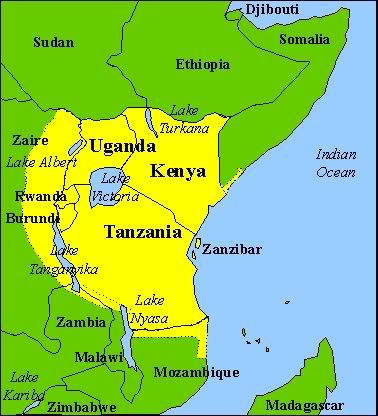
Kenya to Host East Africa Center for Disease Control

After a successful capacity assessment conducted by experts from various international health bodies such as World Health Organization (WHO), African Union (AU), US CDC and China CDC, Kenya has been selected to host the Eastern Africa Regional Collaborating Center of the Africa Centers for Disease Control (CDC). This was disclosed by the Health Ministry in a statement earlier this month.
According to the statement, the Africa CDC intends to use this center to monitor and address public health issues in the region as well as to monitor the response to and handling of emergencies and outbreaks within the region.
Kenya is said to have earned hosting rights because of the strength of it's disease surveillance systems and how it was engaged in sending health experts to Liberia and Sierra-Leone during the Ebola epidemic.
There will be a formal endorsement of Kenya to function in her new capacity by the Heads of state during the African Union (AU) summit. Other regional collaborating centers of Africa CDC are: Egypt, Gabon, Nigeria and Zambia.
Also included in the statement was the fact that, “The award is expected to strengthen the country’s health systems by enhancing disease surveillance capacity in terms of infrastructure and human resources, disease outbreak alert systems as well as improve laboratory capacity.”
This is a positive and commendable development and the health sector of Kenya is sure to experience a boost as a result of this.
 
Written By: Ozioma Paul

Tuesday, 14 June 2016

Ebola - like disease in South Sudan

Ipast weeks, an Ebola-like disease has hit South-Sudan and has claimed at least 10 lives. The mysterious South-Sudan fever is said to have symptoms similar to Ebola such as bleeding, fatigue and vomiting. However, laboratory tests so far have proven that it is not Ebola and the World health Organization has reported that unlike Ebola, these symptoms quickly disappear when the patients are treated effectively. Other observations and investigations have also revealed that this fever does not seem to be transmissible from person to person as is common with the Ebola virus disease, the mode of transmission is still unclear.

According to the World Health organization (WHO), South Sudan has since last December reported that there have been about 51 reported cases of the “undiagnosed hemorrhagic fever syndrome”. 
All of these cases occurred in the northwest countries and the WHO stated that the spread of this disease to this part could very well be attributed to the North-South Sudan Border movement.This has become a source of serious concern to South Sudan and international health bodies.

Rohit Chitale, an epidemiologist with the United States-based Center for Disease Control and Prevention (CDCP) stated that: “the lab results are not consistent with the symptoms, and that is what is concerning.” Blood samples were taken to WHO laboratories from South Sudan for further tests and reports have shown that although some of these blood samples tested positive to mosquito-borne viruses, none of them tested positive to Ebola or Zika Virus. This leaves the cause of the deaths still unexplained. Further laboratory tests are on-going to reveal the causative agent.

Tuesday, 31 May 2016

UN Health Agency launches Program for Outbreaks and Humanitarian Emergencies

The member states of the World Health Organization (WHO) have at the 69th World Health Assembly (Geneva, 2016) reached an agreement to establish a new Health Emergency Program. The assembly which holds every May is attended by delegations from all of the World Health Organization’s member states. Health, financial, and operational policies of the health agency are created or renewed at this gathering.
This new programme is designed to complement and improve upon the health agency’s traditional roles with operational capabilities for outbreak and humanitarian emergencies. The World Health Organization also stated in a news release that the program is designed to equip communities, countries and regions with rapid and comprehensive support in avoidance, recovery and management of disasters, disease outbreaks, and other emergencies.
Under this new programme, while the director-general is to have ultimate authority, the responsibilities of the executive director include overseeing: strategic planning, staff and partner relations, program budget and risk and performance monitoring. The regional directors are also responsible for day to day management of emergencies, partner and intergovernmental relations and enforcing programme standards.
According to the WHO, there has already been financial support for the new program from some member states: Australia, Germany, Japan and Sweden.
With the 130 million people in need of humanitarian assistance worldwide, this agreement by the member states serves as a huge encouragement for the WHO. The director-general of the World Health Organization, Dr. Margaret Chan welcomed this development as she stated: “I particularly welcome the contribution of $50 million from the government of Japan, a sign of confidence in our new Health Emergencies Programme from a long-standing supporter of WHO’s work for emergencies.”
The member states’ delegates have agreed to a budget of $494 million for the 2016/2017 programme to help fulfill their new responsibilities. This is an increase of $160 million to the already existing budget for WHO’s emergencies work.  
WHO also reported that since February, several components of this new programme have already been used.  A major example according to Peter Graaff, the director of WHO’s Emergency Operations and Ebola Response is when $500 million was released to kick start operations within 24 hours of Dr. Chan’s declaration of Zika epidemic as a public health emergency concern.
This new programme is more standardized and is set to bring significant change in the World Health Organization’s handling of emergencies.


Written By: Ozioma Paul

Tuesday, 24 May 2016

WHO CONFIRMS ZIKA VIRUS IN AFRICA

Dr. Matshidiso Moeti, the Regional Director of World health Organization (WHO) for Africa has confirmed the spread of Zika virus in Africa.
The disease is caused by a certain breed of mosquito known as Aedes mosquitoes, it has been linked with microcephaly (a fetal brain abnormality in which babies are born with small brains). Some of the symptoms include mild fever, skin rash, conjunctivitis, malaise or headache and these symptoms often last for 2 to 7 days.
WHO stated that for the first time scientists were able to confirm the spread of the Asian spread of the virus in Cape Verde. Dr. Anna Checkly of the University College London Hospitals also stated that: “There has been an outbreak of the Zika Virus Infection in Cape Verde since October 2015, and today the World Health Organization confirmed that it is the Asian, rather than the African strain of the virus that is causing these infections.” Tests have proven that this Asian strain is the same one said to be responsible for the birth anomalies recorded in Brazil.  Dr. Checkly also warned that the Asian strain of the virus which was confirmed in Africa by the WHO is probably more infectious to humans than the African strain.
As stated by the Global Health Agency, In Cape Verde there has been over 7000 suspected cases and 180 pregnant women have been infected with the virus. Meanwhile, the World Health Organization has also stated that already three babies have been born with microcephaly.
Dr. Moeti has implored Africans Countries to increase awareness of the virus among pregnant women. She also advised that travellers protect themselves from mosquito bites although she said she would not recommend any strict travel restrictions.
There is currently no vaccine or specific treatment available to cure this disease. Hence, the best form of prevention and protection available is protection against mosquito bites.

Written by: Ozioma Paul

Thursday, 28 April 2016

At the 2016 Unite for Sight Global Health and Innovation Conference in Yale Connecticut


16th to 17th April 2016 was a beautiful weekend with the perfect spring like weather in the downtown New Haven area of Connecticut.

The great Shubert theater alongside other historic venues hosted the Unite for sight 2016 Global Health and Innovation conference.

I was privileged to listen to seasoned speakers give talks on health and technology and to attend the social impact lab (early stage ideas), which featured innovators working to improve the quality of life of people everywhere and especially that of the developing world populace. $10,000 and $2,000 awards were given to qualifying participants of the health innovation competition.

Many sessions were centered on innovations and technology, data, global health, work in Africa and the developing world at large.
 

Challenges such as the need to improve maternal and child health in Haiti, tackling obstetric fistula in Africa, HPV vaccination, cataract eye surgeries, improving access to safe surgeries in resource constrained settings, malaria and mHealth, universal health coverage, challenges with nutrition at different levels (to mention a few) were discussed at the sessions.

The take home point for me, and one of the main highlights of the conference was the emphasis on the creation and development of innovative solutions to address the health and development challenges experienced both in the developed and in the developing world.

Bobby Jefferson, the director, center development informatics, Palladium made it clear that there are funding opportunities available for innovations and especially in Africa. In his talk titled "Innovations in mHealth: lessons from the field," he spoke of the several innovations in sub Saharan Africa that he and his team have been involved with and discussed various ways to improve the adoption of innovative solutions and minimize cost on the journey to establishing the innovation solutions.

Other sessions centered on sustainable development and the climate change agenda were also held.

Participating in the 13th annual
Unite for sight conference was educative, informative and magnified the rays of hope for sustainable solutions and development for Africa and the developing world.
It was nice to know that we are not alone in the quest for development within the African health terrain. It was also great to meet with and see so many great minds working to ensure development in the most impoverished regions of the world.

Keep up the good work!

Wednesday, 23 March 2016

HUGE DAMAGE CAUSED BY RAINSTORM IN GHANA – 200 PEOPLE DISPLACED


The rains are here again. In some West African countries, the effect of the rains is already being felt by the people even though the rainy season is not yet in full swing.
In Ghana, on Monday, about 200 people were displaced due to the heavy rainstorm that lasted for about an hour at Atomfourso, near Seekwa, in Tain district of Brong Ahafo. The rains came with strong wind and a total number of thirty four houses were destroyed entirely.
The district coordinator of the National Disaster Management Organization (NADMO), Mr. David Amankwah confirmed this to the Ghana News Agency (GNA), describing the damage done as “huge”.
Appeals are being made by various stakeholders that mobilization of relief support be made for the affected parties.
The chief of the town, Nana Ekye Nsowah-Adjei highlighted poverty in the region as a principal player in the incident. The residents of the locality generally find it difficult to build sturdy cement - block houses, and this lack of well built homes continually puts the people and their houses at risk whenever there is a rainstorm.
He has joined in the call for help from various quarters, such as from the government and from other well intentioned non-governmental bodies and has suggested to the department of Rural Housing on the need for governmental assistance in designing strong low-cost houses in the region that can withstand occurrences such as this. He also added that only qualified builders with the needed requisite skills should be engaged in the construction of the buildings.

In recent times, neighbouring Nigeria has also had records of flooding in some major cities. It seems as though West African communities fail to adequately prepare for the heavy rains which occur annually at nearly every rainy season.

Efforts are being made by governmental bodies, to scale up weather forecasting and prepare the residents of likely future flood locations ahead of the rains. International bodies such as UNICEF have started synergizing and mobilizing Nigerians that are located in the flood prone regions for an effective flood response.

Written By: Ozioma Paul

Monday, 8 February 2016

The on going drought in East Africa .....

East Africa is experiencing one of the worst cases of drought and food insecurity. Lots of lives, and livestock have been lost due to the starvation and famine that has characterized this region in the past months. This is largely due to the poor rainfall in 2015 and the ongoing El Niño which has resulted in severe crop failures, this situation is being worsened by the recurring conflict in the region. 

 The conflicts that have gone on for a while in some parts of East Africa such as: Yemen, South Sudan, Burundi has resulted in high rates of displacement of people. This displacement is a contributing factor to the current state of East Africa especially in Ethiopia and South Sudan as regards food security, this is because when displacement occurs, people lose their lands, shelter, farmlands, food stock and livestock. Also, when people are displaced, they are separated from the little sources of food: such as markets and farmlands, water, and other basic necessities of life such as: proper health care and a means of income amidst others. 

Asides from the displacements, when there is crisis and fighting, there is instability and many people would be unable to plant crops.
According to the LA Times, “10.2 million Ethiopians are in critical need of food aid. International agencies are trying desperately to raise funds to prevent the food emergency from deteriorating into a full-fledged famine, but so far they say they have raised only a small portion of the cash they need to offer help. As El Niño continues into 2016, in some regions that have experienced the El Niño-related dryness, access to food is expected to deteriorate significantly.” Serge Tissot of the U.N’s Food and Agriculture Organization also stated that “the World Food Program has less than 5% of the funding it needs to help the people in Ethiopia”. The situation is very critical and as at now, livestock are being severely affected. Apart from the crop failure and death of livestock, about 2.1 million people are severely malnourished in Ethiopia.
The current state of East Africa is not far from full-fledged famine. The international bodies we usually would look up to for help do not have enough resources to completely combat the situation in these regions. It gets worse as the people are forced to consume that which would be used for the next planting season. This poses a threat to the little progress and development this region has recorded over the past decade.
Conclusively, if the conflict in East Africa continues to worsen, then most certainly the issue of food security will also continue to deteriorate. This serves as a call for international intervention firstly to help put an end to this prolonged crisis, provide food supplies to the affected people and then help improve on the state of crops and livestock.

Friday, 8 January 2016

An Update on the Lassa fever outbreak in Nigeria ........

Lassa fever is an acute, infectious, often fatal illness characterized by high fever,
muscle pain, headaches, bleeding and death in severe cases. It is a viral disease caused by Lassa fever virus with an incubation of 6-21 days.

Lassa fever is Zoonotic in nature as it affects both humans and animals alike. The link to humans is the African soft-furred rat. This animal usually gets on to leftover food or food left to air dry in the open. While feeding on these, the rodents
may urinate and/or defecate and pass the virus on-to humans who eat the contaminated food.


In the past 47 years, Lassa fever has threatened Nigeria at different times and in the last six weeks, there has been an outbreak of the disease in Nigeria. This outbreak started in November 2015. The first reported case occurred in Bauchi and it thereafter spread to Kano, and subsequently six other states; namely Nasarawa, Niger, Taraba, Rivers, Edo, and Oyo.

This was confirmed in a report on 6th January, 2016 in Abuja, the country’s capital by Nigeria’s minister of Health, Prof. Isaac Adewole. In his speech, he stated that “The total numbers of suspected cases so far reported is 76 with 35 deaths, and a Case Fatality Rate [CFR]of 46 per cent. Our laboratories have confirmed 14 cases, indicative of a new episode of Lassa fever outbreak.”

According to the minister of health, the following measures have been put in place to curb the spread of the disease and to investigate and trace the reported cases:
Immediate Release of Adequate quantities of ribavirin. The specific antiviral drug for Lassa fever to all the affected states for prompt and adequate treatment of cases.
Sensitization, and mobilization of healthcare workers in the affected areas and the deployment of rapid response teams.

For now, most of these are already been implemented and the battle against Lassa fever is still on.

Written by: Ozioma Paul 

Wednesday, 6 January 2016

Lassa Fever in Taraba Nigeria .....

A new outbreak of Lassa fever in "Taraba" a state in Nigeria, has just been confirmed by the Taraba state Government. In the words of the commissioner of Health, “One person died and two others have been quarantined and their blood samples have already been taken to Irrua specialist hospital in Edo state for further confirmation.”

Seeing that this new development could create fear and panic among the people in this area who are just recovering from the Ebola scare in the West Africa region, Mr Vakkai in an address on Friday advised the general public to refrain from  panicking, he further added that the state government had swiftly responded to the outbreak.

 Talking on how the fever spreads he said;


“People usually get infected with the Lassa Virus after exposure to infected rodents, while person to person transmission occurs through direct contact with the sick person,”

He called on the residents to avoid contact with rats especially in the areas where the outbreak occurred.

“Other precautionary measures include putting food in rodent proof containers and wearing protective garbs such as masks, gloves, gowns among others,” he added.
 

Mr. Vakkai further called on residents to report to the nearest hospital any case of nasal bleeding, as well as bleeding through the anus and mouth which could also be symptoms of the disease.

Source : NG Premium times
Written by: Jimoh Waliu

Tuesday, 29 December 2015

COP21, A POSITIVE STEP IN MANAGING CLIMATE CHANGE

In an earlier post we reviewed a world bank’s report on the predicted impacts of climate change.
In this piece, we would be considering our current position as regards climate change and the way forward. Climate change is a change in the weather patterns brought about by a continuous unstable varying in the factors that affect climate. Currently, the world’s climate is experiencing some changes and this can be tied to a condition known as global warming.
The principal cause of climate change is human activities; both domestic and industrial. This includes deforestation, and burning up of fossil fuels; these two lead to emission of greenhouse gases such as carbon thereby increasing the amount of carbon in the atmosphere. This becomes a problem because these gases act as a “cover layer” for earth, so as the gases increase in the atmosphere, the “cover layer” becomes denser leading to global rise in temperature.
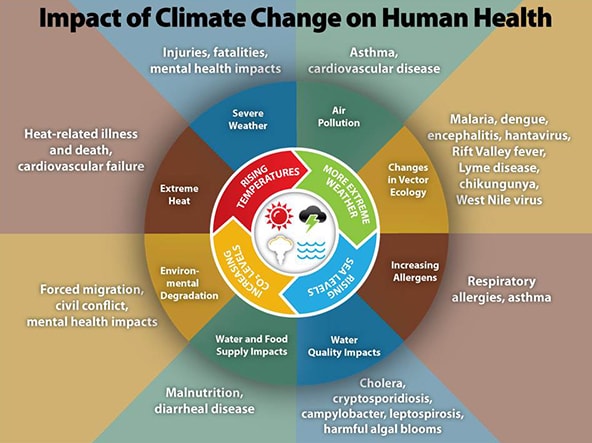
Globally there have been predictions of future effects of climate change. One very threatening effect is the risks climate change presents to agriculture especially in sub-Saharan Africa. This is because, if the current situation of climate persists, there will be increase in the overall temperature globally leading to dryness, drought, lack of rainfall, melting glaciers resulting in rise of sea-levels. These consequences have adverse ripple effects on the general health of people and quality of natural resources such as food scarcity, air pollution.
Currently, there are significant evidences of these effects globally and if immediate action is not taken and these effects continue to intensify, in the near future, it would be discomforting and almost unbearable for inhabitants of planet earth. There is however hope in sight as solutions to climate change have been identified. One of the solutions is to discourage deforestation (as green life: plants help absorb carbon from the atmosphere face of all of these changes) and burning of fossil fuels. This is to bring about a balance in the amount of carbon in the atmosphere. This can be done by enforcing policies against human activities that give rise to carbon emissions. This is where the government comes in.
It was in this light that the 21st Climate Conference of Parties (COP21) was held in Paris from 30th November to 11th December. The aim of this conference was to achieve a legally binding and partly voluntary agreement across the participating nations to limit global warming to about 2C. There were about 195 countries in attendance and the conference lasted for about two weeks. The United States and China have been identified to be the biggest emitters of carbon, they were both present at the conference and there was a unanimous agreement to cut down carbon emissions in their activities; both domestic and industrial; this is a great opportunity to channel all our efforts as one against climate change.
In the words of Nick Mabey, the chief executive of climate diplomacy organization E3G, “Paris means governments will go further and further to tackle climate change than ever before.” I agree with him, and a lot of comments after the event tailored towards this fact: That though COP21 is a very laudable achievement, it is not going to be automatic in producing the desired results, hence there is need for commitment on the side of the government and also individual parties. One of such commitments would require them standing by their promise to review progress every five years, another would be to finance issues surrounding climate change in developing countries with a sum of $100 billion annually.
Asides the COP21 pact, another very key solution is in getting individuals involved in this fight. A lot of people especially in developing nations are still unaware of the struggle against climate change and as long as they remain unaware, they may not check their activities, such that as we fight climate change from one end, they fuel it from the other end majorly by their domestic activities. This is very dangerous because just as predictions state, the developing nations will be the most adversely affected. It is in this vein that we call on individuals, communities, small groups to begin the campaign against climate change because the fate of our planet in the next 50 to 100 years is in our hands.
For those who already know about this struggle and are working to reduce climate change, this is coming as an encouragement and also as a reminder so that you do not relent on your efforts. Hopefully, in the next couple of decades, we would be able to tell a different story as concerning the state of our planet.
Written by: Paul Ozioma

Saturday, 26 December 2015

Ebola Update ... The fight against Ebola Virus Disease: An ongoing battle.


In April 2014, starting in Guinea, there was an outbreak of the Ebola Virus Disease which was the 26th outbreak in history and the longest Ebola epidemic so far. The epidemic ravaged throughout the year into 2015. Affected countries include Guinea, Liberia, Sierra Leone, Nigeria, Senegal, United States, Spain, Mali and United Kingdom. Highest number of cases and deaths recorded were in Liberia, Sierra Leone and Guinea.
Efforts have been going on especially in the highly affected nations to curb the epidemic. The last cluster of cases recorded of the Ebola virus occurred in Liberia, the first case in the cluster was a fifteen-year old boy who was reported dead on 23rd November, 2015. The two other cases: His 40-year old father and 8-year old brother were tested and twice, they tested negative and were discharged on 3rd December, 2015.
As at 11th December, 2015, rVSV-ZEBOV Ebola Vaccine had been administered to the 210 cases associated with the cluster. This cluster of cases in Liberia is said to have been caused by a resurgence of Ebola virus in a formerly infected fellow. Even though the probability of transmission through resurgence of the virus from a previously infected person is low, there is need to put in place a care-plan and follow-up services for those who survive the disease to ensure there is no re-emergence. In Liberia and Sierra Leone, work is already been done and clinical services are already being put in place to cater for the survivors. This care-plan project for survivors is due for completion in January 2016.
There is also a surveillance system in place to keep close watch on sicknesses and deaths with suspected trace to the Ebola Virus Disease. This is to ensure there is no reemergence of EVD. Rapid response teams have been set up across the affected nations, at least one in each nation to ensure that they are able to detect, test and investigate, manage and curtail any new cases that may surface. These measures are to reduce the risks of the disease and improve emergency response in event of new cases.
As long as a particular state, city or nation still has traces of Ebola Virus Disease and has not been declared “Ebola Free”, people everywhere may still be at risk. Every country should be prepared and ready to effectively detect, investigate, test for, and manage the spread of the disease. They should also have adequate and well-monitored healthcare systems for both new cases and survivors.

Written By: Paul Ozioma

Thursday, 24 December 2015

Food poisoning

Did you know that every year 351,000 people die of food poisoning globally? I recall eating a very fancy meal some time back, falling ill and then being diagnosed of food poisoning. I was surprised because the meal was very fancy and I never thought it could have been infected. The year is running to an end, there are lots of celebration going on everywhere, people rounding up their activities for the year and preparing for the next year. This season is often accompanied by lots of eating and drinking, hence it is important to know how to tread carefully understanding the fact that fancy food is not equivalent to safe food.
Food poisoning otherwise known as foodborne disease is an illness caused by eating toxic, contaminated, or spoiled food. It is very common and although it is not always life-threatening, some people actually still lose their lives to it as seen from the statistics above.
Food poisoning is often characterized by vomiting, stooling, stomach aches and abdominal cramps, tiredness and weakness, rise in body temperature, mild fever, and general discomfort.
Food poisoning can occur at any stage of food processing, from the planting, to the harvesting to processing, to packaging and consumption. It is mostly associated with raw food. This is because the heat from cooking is supposed to kill the micro-organisms that may cause contamination and even when food is not properly cooked, it may still be at risk of contamination. Another source of food poisoning can be from the water used for preparation of the meal or from unwashed hands. The major causes of food poisoning are from viral and bacterial contaminations and from parasitic activities. The peculiarity of the illness in this case is dependent on the type of virus, bacteria that is involved. Foodborne diseases can also occur due to chemical toxins from food processing and packaging. Lack of proper food storage also makes food vulnerable to contamination through food spoilage.
Most of the time, after a few days and with proper care, the infected party should better. A lot of people typically manage and treat food poisoning at home.
For home remedies: Quit consumption of food and water for few hours, then gradually begin consumption of food to replace lost nutrients, firstly by ensuring the body remains hydrated by taking lots of water and fluids. The person can start taking food substances again, little portions at a time. Alcohol, caffeine and personal allergens should be avoided at this time. The person should also rest adequately and avoid preparing meals for others to eat, the fellow should also maintain good hygiene especially in the bathroom and kitchen areas to avoid spread of infection.
Infected parties such as pregnant people, people with weak immune system, and people above the age of 60 may also make use of oral rehydration solution, this is to help substitute for lost nutrients and body fluids. They are available at local drug stores.
However, if these symptoms are severe and there is no noticeable improvement after few days, then the affected party should seek immediate medical attention. If pregnant or elderly (over the age of 60), It is advisable to see a doctor for immediate adequate treatment.
General Prevention tips:
Avoid eating raw meat, eggs, fish and other animal-derived food.
Wash hands thoroughly with soap and water after using the restroom when coking or eating.
Be careful of canned meals: Ensure they are properly sealed.
Avoid expired food, and drinks.
If you must eat any fruit and vegetable raw, be sure to wash them thoroughly.
Refrigerate properly and ensure your food storage is done adequately.
Pay special attention when eating out. It is advisable to eat at places with good reputation when it comes to safe food.
Written by: Paul Ozioma
Tuesday, 17 November 2015

ANTIBIOTICS- HANDLE WITH CARE


Earlier yesterday the  WHO launched its first ever World Antibiotic Awareness Week. Scheduled for November 16th to 22nd this world awareness week aims to tackle the problem posed by improper use of antibiotics which leads to antibiotic resistance.
Antibiotic resistance is a phenomenon whereby bacteria grow resistant to antibiotics. Certain antibiotics that have been effectively used in the past to fight bacteria will no longer work as the bacteria will have grown resistant to it. Although this process occurs naturally, as evident in current research it has been sped up by the improper use of antibiotics in the form of long term use, self-prescription and abuse.
Over the years there has been an increase in the emergence of resistant bacteria across the globe, this has posed serious threat to human lives, antibiotics and the efforts employed to make them has been rendered nearly useless. Since the discovery of penicillin in the year 1928 by Sir Alexander Fleming modern medicine has witnessed the birth of several antibiotics. Currently if not in all antibiotics, resistance has been developed in most.
World antibiotic awareness week aims at stressing the need to use antibiotics properly by creating awareness to the world to call on individuals, governments, agricultural and health professionals to take action against this problem.  
According to the  press release  on the WHO's antibiotic survey; myriads of people are unaware of this threat and they do not know how to prevent it. In the multi-country survey carried out across 12 countries, two thirds of about 10,000 people (64%) said they know antibiotic resistance could affect them and their families but they don’t know how it will affect them neither do they know how to address the issue. The same percentage of people also believed antibiotics can be used to treat cold and flu, which is not true, in the sense that antibiotics have no impact on viruses. About one third of them said it is right to stop taking antibiotics once one feels better instead of completing the doses of the medication. This result has led to the launch of a new campaign tagged; Antibiotics: Handle with care.
The survey that was conducted in 12 countries span across 2 countries in all WHO regions featured Egypt, Nigeria and South Africa in this region. The survey revealed that just about 22% of the correspondents in Egypt have heard of antibiotic resistance. This is the lowest of all countries included in the survey. Nigeria had the second lowest score. This indicates the high level of unawareness in Nigeria and hence Africa. I think this should be a wake up call for the government, private sector and the civil society at large to help create awareness on this subject matter.
It should be noted that antibiotics should not be shared, if your family member is prescribed a medication and is using it; you should not share it with them. You need to see the doctor for a proper diagnosis and treatment.
Antibiotics should not be passed around, self medication is not right and should not be encouraged as its adverse effects cannot be over emphasized.
it is not advisable to stop taking your medications as soon as you feel better, the bacteria in question then has the chance to develop  some resistance and become stronger. Doses of prescribed medications should be duly completed. The government should forbid self medication and ban the illegal sales/purchase of drugs from roadside stalls and hawkers. Antibiotics should be properly monitored. It is evident from the survey carried out in Nigeria, that a percentage of the correspondents said they purchased antibiotics from stalls and hawkers.
Also, African nations should pass a bill of the preservation of antibiotics for medical treatment. There should be an amendment of federal drug, food and cosmetic Act for the preservation of antibiotics used in treating humans and animals.
The WHO through the World Antibiotic awareness week calls on member states and health professionals to join this global campaign, to raise awareness on this issue. Antibiotics should be handled with care to avoid tilting the world back in time, and in to the dark ages when bacterial infections claimed numerous lives before the advent of antibiotics.
Now is the time to stop antibiotic resistance.
Please join the campaign!
Written By: Jimoh Waliu

Thursday, 22 October 2015

Breast Cancer in Africa ....


   October is the month in the year set apart internationally to mark Breast Cancer Awareness. It is characterized by different programs ranging from walks and talk shows to free testing and detection programs. These awareness programs are very important because according to the National Breast Cancer Foundation, Breast Cancer is the leading cause of death in women every year and these programs afford people the opportunity to get involved in the fight against cancer and make a difference no matter how seemingly little.
    In Africa, though general awareness about cancer is rising and people are getting more informed by the day, some others still do not take necessary precautions as they ought to. The cause of this ranges from carelessness, to people simply assuming cancer to be a ‘ghost’ disease that can not affect them.
     Cancer is characterized by a malignant growth in the affected body part that causes abnormal body cells to divide uncontrollably. Normally, the cells in the human body continuously renew themselves and when a cell has exhausted its life span and is old, it dies off on its own and new cells are regenerated to replace the old ones. However when cancer develops, the old cells do not die off as they ought to and new cells are generated even when the old ones have not died off, causing a sort of growth referred to as tumors. These tumors are malignant in nature and can disintegrate from the original tumor and travel far into other parts of the body to generate more tumors.    
   Breast cancer is a form of cancer that is characterized by growth of cancer cells in the breast. These cells are malignant in nature meaning that they have the ability to disintegrate and travel to other body parts to cause growth of cancer cells in those parts too. This continuous spread can lead to the death of the affected person if treatment is not commenced early enough.
     As at 2008, breast cancer was the leading cause of death among women in West Africa with an approximate 30,000 new cases and more than 16,000 deaths. In East Africa, there was a record of 18,000 new cases and 10,000 deaths. South African women have been said to be at greatest risk of having cancer. Although, occurrence of breast cancer in men is quite rare, in Zambia, 15% of the breast cancer cases occur in men. (Science in Africa, 2015). It should however be noted that these figures are under-stated due to the unreported cases of cancer occurrences and resulting deaths due to limited access to adequate health care in some areas in Africa.
   In combating cancer, of all the developing continents, Africa is the most resource-challenged as there are fewer oncologists and also only 21 out of 53 nations have radiotherapy facilities. This poses a great challenge both to detection and treatment of breast cancer. (The guardian, 2011).
        Another critical issue in the occurrence of cancer in Africa is the fact that more and more people are approaching middle age which is the age biologically when cancer becomes prevalent. Hence efforts are being channelled into creating more awareness and also investing more in the health sector to cater for cancer cases.
           In most African nations, inadequate attention is being paid to the issue of cancer. This is partly because cancer is not transmissible as other prevalent and death causing diseases. This however is misleading due to the fact that statistics show that cancer kills more often than HIV/AIDS, Malaria and Tuberculosis combined. (American Cancer Society, 2015).
         Apart from the fact that the health sector in Africa is not properly equipped for the management of cancer in Africa, another serious cause is the fact that some people especially those with little or no education and the lower income population in the society see cancer as a ‘disease of the rich’. This is another misconception; as cancer occurs majorly due to genetic changes and other factors relating to the individual’s health and family history. It is not based on the financial status of the affected person; although intake of westernized diet which is more available to majority of the upper income members of the society has a strong association with the occurrence of cancer.
          There is also stigma attached to cancer in the society that makes people ashamed to seek help. This can also result in late detection.
        Lots of effort has gone into fighting breast cancer in Africa. One of the ways of fighting breast cancer is to encourage self-detection by regular breast examinations. Self-detection here can help increase the chances of survival of affected person(s) because prevention is better than cure and early detection can save a life. This is the reason why there are many awareness programs to reach out to people in the rural areas who do not know about the disease and also to remind those that know that Cancer is not a ‘ghost’ disease and that people everywhere are vulnerable to it.
         These awareness programs are organized by non-governmental organizations, social groups, corporate firms, religion houses and these programs take different forms such as walks, awareness shows (using media and choosing uniform color of wears to promote awareness), free testing and diagnosis, talk shows.
           In conclusion, everyone has a role to play in this battle against cancer.
            I look forward to a cancer-free World! Is this a possibility one would ask?
         As we commemorate October as the Breast Cancer Awareness Month, let us as individuals and communities reach out by participating in the awareness programs around us.
            Together we can make our world cancer free. 
Written by: Paul Ozioma