Showing posts with label events. Show all posts

Tuesday, 31 May 2016

UN Health Agency launches Program for Outbreaks and Humanitarian Emergencies

The member states of the World Health Organization (WHO) have at the 69th World Health Assembly (Geneva, 2016) reached an agreement to establish a new Health Emergency Program. The assembly which holds every May is attended by delegations from all of the World Health Organization’s member states. Health, financial, and operational policies of the health agency are created or renewed at this gathering.
This new programme is designed to complement and improve upon the health agency’s traditional roles with operational capabilities for outbreak and humanitarian emergencies. The World Health Organization also stated in a news release that the program is designed to equip communities, countries and regions with rapid and comprehensive support in avoidance, recovery and management of disasters, disease outbreaks, and other emergencies.
Under this new programme, while the director-general is to have ultimate authority, the responsibilities of the executive director include overseeing: strategic planning, staff and partner relations, program budget and risk and performance monitoring. The regional directors are also responsible for day to day management of emergencies, partner and intergovernmental relations and enforcing programme standards.
According to the WHO, there has already been financial support for the new program from some member states: Australia, Germany, Japan and Sweden.
With the 130 million people in need of humanitarian assistance worldwide, this agreement by the member states serves as a huge encouragement for the WHO. The director-general of the World Health Organization, Dr. Margaret Chan welcomed this development as she stated: “I particularly welcome the contribution of $50 million from the government of Japan, a sign of confidence in our new Health Emergencies Programme from a long-standing supporter of WHO’s work for emergencies.”
The member states’ delegates have agreed to a budget of $494 million for the 2016/2017 programme to help fulfill their new responsibilities. This is an increase of $160 million to the already existing budget for WHO’s emergencies work.  
WHO also reported that since February, several components of this new programme have already been used.  A major example according to Peter Graaff, the director of WHO’s Emergency Operations and Ebola Response is when $500 million was released to kick start operations within 24 hours of Dr. Chan’s declaration of Zika epidemic as a public health emergency concern.
This new programme is more standardized and is set to bring significant change in the World Health Organization’s handling of emergencies.


Written By: Ozioma Paul

Thursday, 28 April 2016

At the 2016 Unite for Sight Global Health and Innovation Conference in Yale Connecticut


16th to 17th April 2016 was a beautiful weekend with the perfect spring like weather in the downtown New Haven area of Connecticut.

The great Shubert theater alongside other historic venues hosted the Unite for sight 2016 Global Health and Innovation conference.

I was privileged to listen to seasoned speakers give talks on health and technology and to attend the social impact lab (early stage ideas), which featured innovators working to improve the quality of life of people everywhere and especially that of the developing world populace. $10,000 and $2,000 awards were given to qualifying participants of the health innovation competition.

Many sessions were centered on innovations and technology, data, global health, work in Africa and the developing world at large.
 

Challenges such as the need to improve maternal and child health in Haiti, tackling obstetric fistula in Africa, HPV vaccination, cataract eye surgeries, improving access to safe surgeries in resource constrained settings, malaria and mHealth, universal health coverage, challenges with nutrition at different levels (to mention a few) were discussed at the sessions.

The take home point for me, and one of the main highlights of the conference was the emphasis on the creation and development of innovative solutions to address the health and development challenges experienced both in the developed and in the developing world.

Bobby Jefferson, the director, center development informatics, Palladium made it clear that there are funding opportunities available for innovations and especially in Africa. In his talk titled "Innovations in mHealth: lessons from the field," he spoke of the several innovations in sub Saharan Africa that he and his team have been involved with and discussed various ways to improve the adoption of innovative solutions and minimize cost on the journey to establishing the innovation solutions.

Other sessions centered on sustainable development and the climate change agenda were also held.

Participating in the 13th annual
Unite for sight conference was educative, informative and magnified the rays of hope for sustainable solutions and development for Africa and the developing world.
It was nice to know that we are not alone in the quest for development within the African health terrain. It was also great to meet with and see so many great minds working to ensure development in the most impoverished regions of the world.

Keep up the good work!

Saturday, 12 December 2015

Universal Health Coverage Day


In commemoration of the Universal health coverage day, we at PHNAfrica.com will be focusing on the subject of universal health coverage and how far Africa has come as a continent in the attainment of this goal while reaffirming our commitment as a body to the achievement of quality and affordable health care for everyone everywhere in the sub Saharan Subcontinent.

Needless to say, there has not been a time in history as this where man has come so close to the achievement of this goal as now. Unprecedented technological advancement, technological and medical know how, coupled with sufficient financial, material and human resources have made it clear that this goal is achievable in these times with adequate political and socio economic commitment to the cause.

In the sub Saharan subcontinent, there seems to have been a unanimous commitment to this cause over the years, however these nations are still very far from the attainment of the provisions of the UNs 1948 declaration of health and access to health care as a fundamental human right.
Access to health care of acceptable quality is still more of a commodity and not a fundamental human right across the subcontinent.

Why is this so? One would ask?

Lack of political will and decades of pathological selfishness of governments and elected officials have led to a scenario where by leading health officials and decision makers continue to pay a mere lip service to this declaration through policies and programs that are not followed through but are a times used just as a means to gain international recognition and further enrich themselves while sabotaging nearly every effort made by other well meaning organizations and members of the civil society to alleviate the suffering of the masses from the stand point of health and access to health care.

In my opinion, it is time for us a people to begin to ask the right questions and demand answers from our leaders as to how the resources meant for everyone are being spent on just a select few.
Medical tourism to other continents of the world by elected leaders and politicians should be investigated and it should be made clear to all and sundry how public funds are being disseminated.

It is time for us to begin to address the selfishness of our leaders who refuse to develop our educational sector while sending their own kids out of the continent to schools abroad and those that also refuse to develop our health sector and prefer to jump on the next available airplane at the faintest sign of a headache.

It is time to demand accountability in leadership and advocate for a result oriented leadership. 
In this new era of the sustainable development goals, it is time to hold our governments and leaders accountable for the stipulated targets of the health related SDG; goal 3.

It is time to simply say NO to corruption and the negative pull of socio economic forces that make a fool of initiatives, programs and policies designed for the well being of the populace.

The right to health and quality health care is everyone's business. 

Stand up for your right today!
#healthforall

Tuesday, 17 November 2015

ANTIBIOTICS- HANDLE WITH CARE


Earlier yesterday the  WHO launched its first ever World Antibiotic Awareness Week. Scheduled for November 16th to 22nd this world awareness week aims to tackle the problem posed by improper use of antibiotics which leads to antibiotic resistance.
Antibiotic resistance is a phenomenon whereby bacteria grow resistant to antibiotics. Certain antibiotics that have been effectively used in the past to fight bacteria will no longer work as the bacteria will have grown resistant to it. Although this process occurs naturally, as evident in current research it has been sped up by the improper use of antibiotics in the form of long term use, self-prescription and abuse.
Over the years there has been an increase in the emergence of resistant bacteria across the globe, this has posed serious threat to human lives, antibiotics and the efforts employed to make them has been rendered nearly useless. Since the discovery of penicillin in the year 1928 by Sir Alexander Fleming modern medicine has witnessed the birth of several antibiotics. Currently if not in all antibiotics, resistance has been developed in most.
World antibiotic awareness week aims at stressing the need to use antibiotics properly by creating awareness to the world to call on individuals, governments, agricultural and health professionals to take action against this problem.  
According to the  press release  on the WHO's antibiotic survey; myriads of people are unaware of this threat and they do not know how to prevent it. In the multi-country survey carried out across 12 countries, two thirds of about 10,000 people (64%) said they know antibiotic resistance could affect them and their families but they don’t know how it will affect them neither do they know how to address the issue. The same percentage of people also believed antibiotics can be used to treat cold and flu, which is not true, in the sense that antibiotics have no impact on viruses. About one third of them said it is right to stop taking antibiotics once one feels better instead of completing the doses of the medication. This result has led to the launch of a new campaign tagged; Antibiotics: Handle with care.
The survey that was conducted in 12 countries span across 2 countries in all WHO regions featured Egypt, Nigeria and South Africa in this region. The survey revealed that just about 22% of the correspondents in Egypt have heard of antibiotic resistance. This is the lowest of all countries included in the survey. Nigeria had the second lowest score. This indicates the high level of unawareness in Nigeria and hence Africa. I think this should be a wake up call for the government, private sector and the civil society at large to help create awareness on this subject matter.
It should be noted that antibiotics should not be shared, if your family member is prescribed a medication and is using it; you should not share it with them. You need to see the doctor for a proper diagnosis and treatment.
Antibiotics should not be passed around, self medication is not right and should not be encouraged as its adverse effects cannot be over emphasized.
it is not advisable to stop taking your medications as soon as you feel better, the bacteria in question then has the chance to develop  some resistance and become stronger. Doses of prescribed medications should be duly completed. The government should forbid self medication and ban the illegal sales/purchase of drugs from roadside stalls and hawkers. Antibiotics should be properly monitored. It is evident from the survey carried out in Nigeria, that a percentage of the correspondents said they purchased antibiotics from stalls and hawkers.
Also, African nations should pass a bill of the preservation of antibiotics for medical treatment. There should be an amendment of federal drug, food and cosmetic Act for the preservation of antibiotics used in treating humans and animals.
The WHO through the World Antibiotic awareness week calls on member states and health professionals to join this global campaign, to raise awareness on this issue. Antibiotics should be handled with care to avoid tilting the world back in time, and in to the dark ages when bacterial infections claimed numerous lives before the advent of antibiotics.
Now is the time to stop antibiotic resistance.
Please join the campaign!
Written By: Jimoh Waliu

Thursday, 6 August 2015

Lawmakers can make Breastfeeding compatible with work.


Research by Philips Africa Reveals the Causes of Low Rates of Breastfeeding in Urban Africa

Philips Africa has unveiled the results of its latest research focused on supporting new mums in their breastfeeding journey, to mark World Breastfeeding Week ( 1-7 August 2015). 

Recent research in Africa, has found that under five children who are breastfed have a 14 times greater chance of survival, and any increase in intensity or duration of breastfeeding can help.

About 106,000 and 62,000 children died in Kenya and Ghana respectively from predominantly pneumonia and diarrhea in year 2013.
Breastfed babies have been said to be 15 times less likely to die from pneumonia and 11 times less likely to die from diarrhea.

In a bid to support the UN’s Every Woman Every Child initiative, Philips and Dr. Monk carried out a research in October 2014 to uncover the barriers to breastfeeding that urban working mothers in Accra Ghana and Nairobi Kenya face. 

This research involved 400+ working mothers with children under two years of age, through personal interviews, focus groups and surveys. 
The mothers chosen represented three distinct socio-economic groups: 
-Base of the Pyramid
-Floating Class 
-and the Middle Class.

Research findings revealed a deeply felt responsibility toward the health of the baby, tempered with the realities of urban African life.


Findings also showed that 52% of the mothers surveyed know that breastfeeding is the right thing to do, yet find it difficult to balance work and motherhood in busy African cities. These women have to return to work within three months of delivery, hence making breastfeeding difficult and complicated.

Also contributing to the low breastfeeding rates in urban Africa settings is the pressure of having to work many hours so as to make ends meet, coupled with the stress of day to day life, as well as the lack of space to express milk in the workplace.

Furthermore, even though 69% of the women surveyed are aware of the importance of expressing breast milk when unable to breastfeed directly, the main stumbling blocks to attaining this included 
lack of space to express comfortably, 
lack of access to technology like breast pumps, cooling and sterilization equipment and advice and coaching on the correct techniques to breastfeed while enabling comfort and ease for both infant and mother.

Summarily barriers to breastfeeding are social, economic, cultural and political and opportunities to lower these barriers are expected from joint efforts by industry, government, and civil society.

In the words of Dr. Maarten van Herpen, Head of the Philips Africa Innovation Hub:

No mother should need to choose between earning a living, and giving their child the health benefits that only breastfeeding can provide,”  

“At Philips, we have started to develop several innovative ideas that were inspired by the findings in this report. Hopefully, these innovations will prove effective to address some of the challenges to breastfeeding faced by mothers.”

Sunday, 2 August 2015

Breast Feeding and Work : Lets make it work


Message from The World Alliance for Breastfeeding Action for the 2015 World Breastfeeding Week  ( 1- 7 August 2015) :


The Innocenti Declaration (1990) recognized that breastfeeding provides ideal nutrition for infants and contributes to their healthy growth and development. 

The Declaration calls for the creation of an appropriate environment of awareness and support and that the ‘Protection, Promotion and Support’ of breastfeeding are actions that contribute to attaining this ideal. 

There is much that remains to be done despite 25 years of hard work, particularly on the fourth Innocenti target that calls on governments to “…enact imaginative legislation protecting the breastfeeding rights of working women and establish means for its enforcement.” 

WABA calls for:

 • Concerted global action to support women to combine breastfeeding and work, whether in the formal sector, non-formal sector, or at home 

• Ratification and implementation of maternity protection laws and regulations by governments, in line with the ILO Maternity Protection Convention 

• Inclusion of breastfeeding target indicators in the Sustainable Development Goals (SDGs).

 Together, we can make it work!


Saturday, 1 August 2015

Welcome to the 2015 World Breastfeeding week

 This year marks the 25th Anniversary of the Innocenti Declaration (1990) which has been a landmark guiding document for improving breastfeeding practices worldwide. 

Four targets were adopted, with the fourth target aiming “to enact imaginative legislation protecting the breastfeeding rights of working women and establish means for its enforcement,” still needing much more attention after over 20 years. 

The WBW 2015 theme on working women and breastfeeding revisits the 1993 WBW campaign on the Mother-Friendly Workplace initiative. 

Much has been achieved in 22 years of global action supporting women in combining breastfeeding and work, particularly the adoption of the revised ILO Convention 183 on Maternity Protection with much stronger maternity entitlements, and more country actions on improving national laws and practices. 

Yet, after over 20 years, global monitoring on infant and young child feeding progress shows that the fourth Innocenti target is still the most difficult to meet! 

With the WBW 2015 campaign WABA and its partners at global, regional and national levels aim to empower and support ALL women, working in both the formal and informal sectors, to adequately combine work with child-rearing, particularly breastfeeding. 

What you can do!

 1) Visit the Website: 
http://www.worldbreastfeedingweek.org/ - a one stop center for information on the theme, and materials you can download for use.

 2) Share information on World Breastfeeding Week (WBW) 2015 with your family, friends, colleagues, in your workplaces, with local authorities etc. 

3) JOIN the WBW 2015 Photo Contest! 
See the WBW 2015 Website for the Photo Contest Form (http://www.worldbreastfeedingweek.org/). 

Ten winning photos related to this year’s theme will be selected, and contributors whose photos are featured in the WBW Action Folders, Posters and Banners will be awarded US$100 for each published photo.

 4) Celebrate World Breastfeeding Week this year by organizing an event in your locality, or join a WBW 2015 event in your area. 

If you do organize an event, please let them know by making a PLEDGE for your event, which will be noted on the special Pledge Map on the WBW 2015 website. 

See the simple Pledge Form on the WBW 2015 Website (http://www.worldbreastfeedingweek.org/) 

5) Once you have organised your event, don’t forget to send them your report (a report guide will be provided), and in return they will send you a specially created WBW 2015 Certificate acknowledging your wonderful efforts! 

For more information contact: 
Jennifer Mourin,
WABA WBW Global Coordinator. 
Email: wbw@waba.org.my 

Let’s work together to make BREASTFEEDING AND WORK – WORK!

 Thank You!

Source;
The World Alliance for Breastfeeding Action (WABA)

Tuesday, 28 July 2015

Prevent Hepatitis! Act Now!


Key messages from the WHO for the 2015 World Hepatitis day:

Viral hepatitis is a group of infectious diseases known as hepatitis A, B, C, D, and E that affects hundreds of millions of people worldwide, causing acute and chronic liver disease and killing close to 1.5 million people every year, mostly from hepatitis B and C. These infections can be prevented, but most people don't know how.

To Prevent hepatitis:

- Know the risks.
Unsafe blood, unsafe injections, and sharing drug-injection equipment can all result in hepatitis infection.

- Demand safe injections.
2 million people a year contract hepatitis from unsafe injections. Using sterile, single-use syringes can prevent these infections.

-Vaccinate children
Approximately 780 000 persons die each year from hepatitis B infection. A safe and effective vaccine can protect from hepatitis B infection for life.
-  Get tested and seek treatment if positive.
Effective medicines exist to treat hepatitis B and cure hepatitis C.

This is a shout out to policy makers, health professionals, health advocates and the general public to help prevent more infection and death from Hepatitis.
Help Stop Hepatitis!

Wednesday, 22 July 2015

Funding Innovation Explosion for the Nigerian health sector


The Private Sector Health Alliance of Nigeria together with partners have created the Nigeria Health Innovation Marketplace to improve the state of health care in Nigeria through technology innovations and the incubation of outstanding ideas and innovations to ensure their successful implementation.

This competition seeks to identify, celebrate and reward promising innovations that address critical challenges in the country's health sector.

The premier edition of the health hackathon was held in February 2014 where Iqube labs emerged winners through their innovative data and SMS service for the health sector.

Currently the 2015 edition is ongoing and some 42 ideas have reached the second stage.
The race to determine the final winners of this year's edition is still on going.
The first prize winners will be going home with $100,000 in awards, second prize : $ 50,000 in awards and the third prize $ 30,000 in awards.

It is our belief that the successful implementation of these ideas will bring Nigeria closer to the dream to achieve health for all.

Friday, 19 June 2015

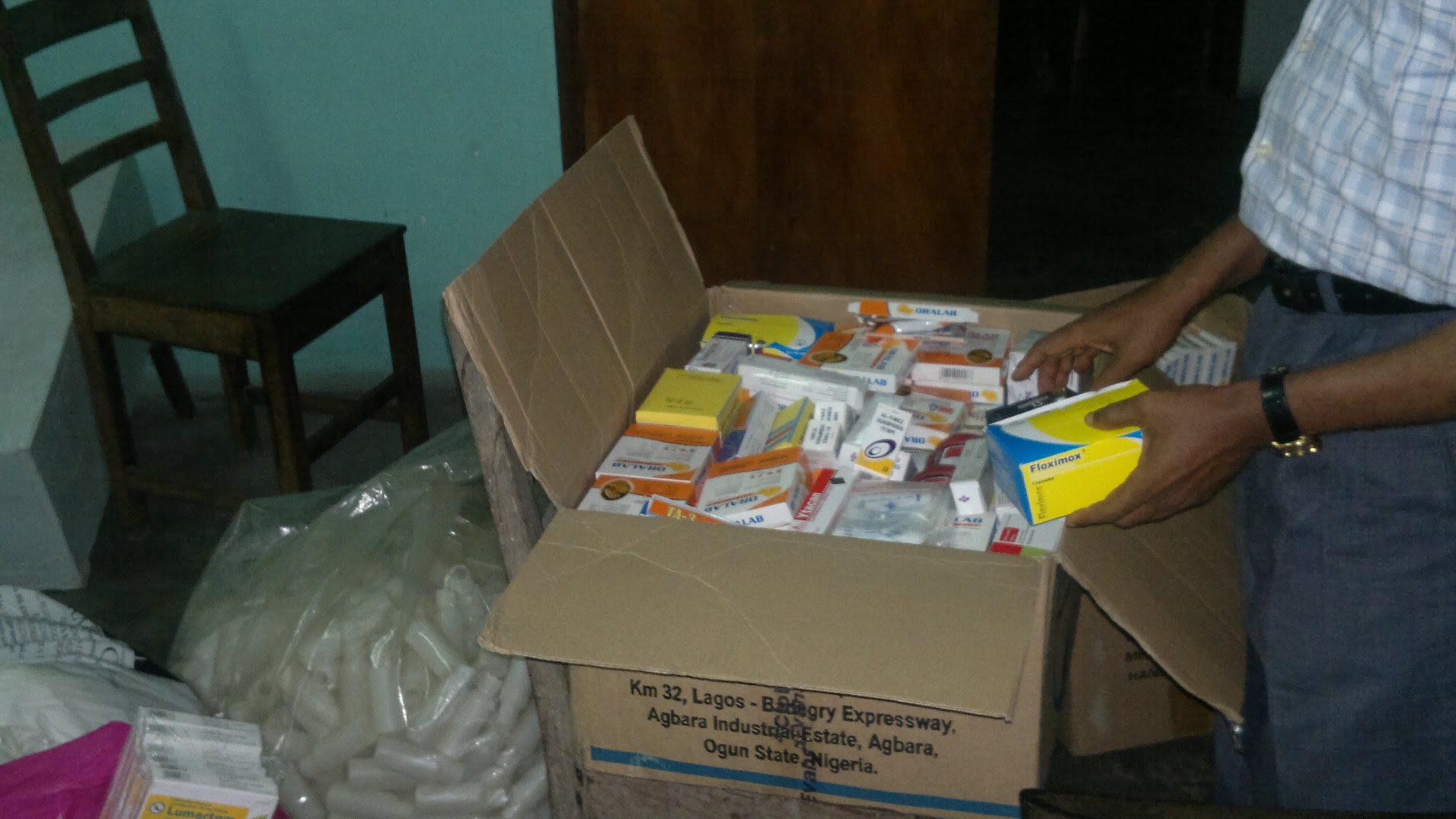
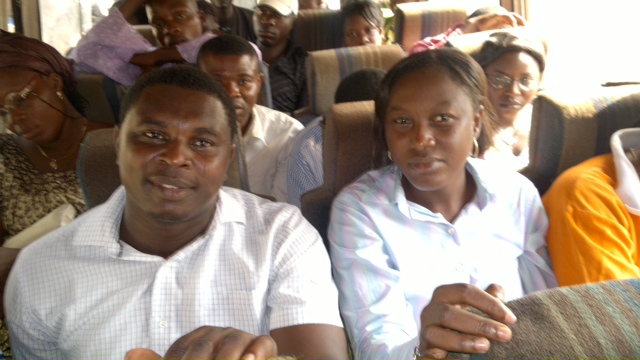
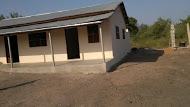
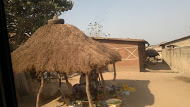
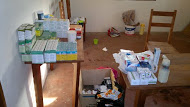
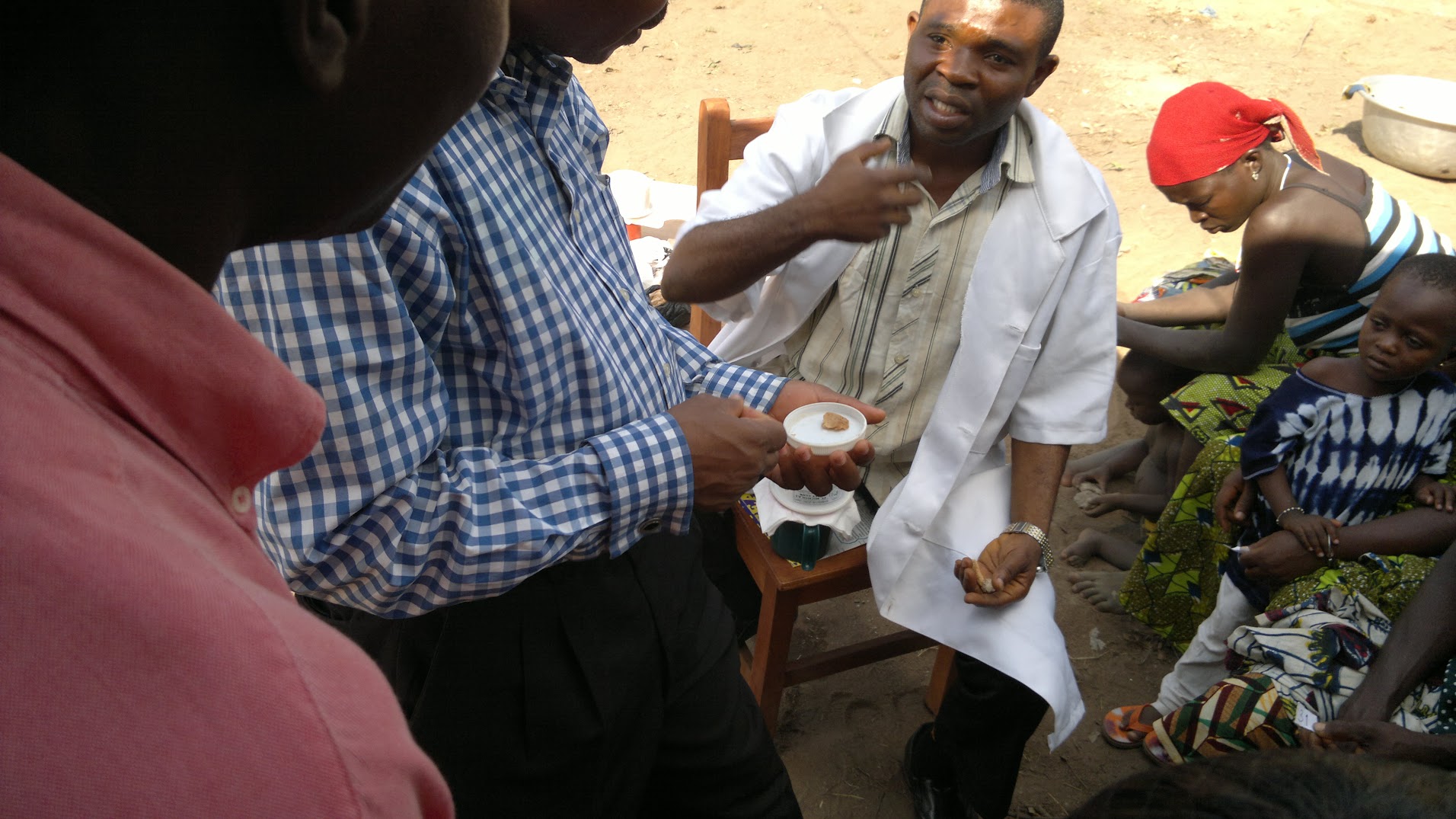
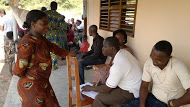
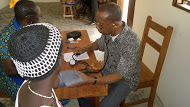
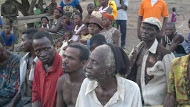
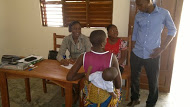
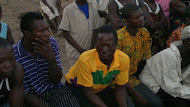
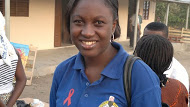
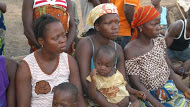
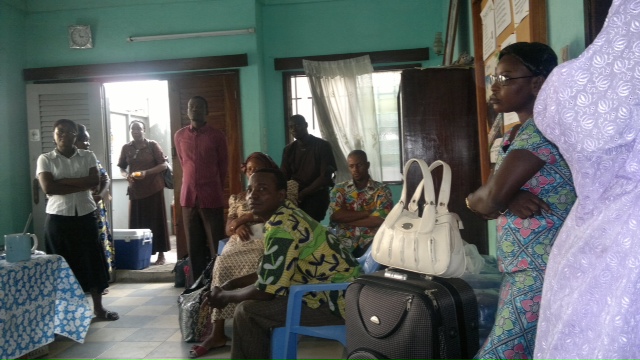
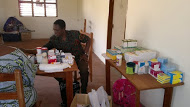
Medical Outreach on the Outskirts of Cotonou, Benin Republic in Pictures .....November 2011

Setting up

Stacks of medications

Still setting up
While on our way...
Pre departure briefing


The Villagers
The New Community Health Centre

Health/Nutrition Talk
Consulting
More Villagers at the Outreach
Consulting with an interpreter
Listening intently at the Health talk
Moi ...
Mothers with children listening and waiting to be seen

Wednesday, 10 June 2015

Wednesday, 11 February 2015

Upcoming Public Health Events on Africa

Third edition Africa Healthcare Summit 2015 ( Conference & Exhibition )
 Dates : February 26 to 27 2015 Venue : London

The Annual East African Health and Scientific Conference and International Health Exhibition and Trade Fair.
Dates : 25 to 27 March 2015
Theme : Investing in Health through strengthening regional health systems, and institutions towards the prevention and control of communicable and non - communicable diseases.
Venue: Kampala, Uganda.


Health Innovation Challenge (Powered by : Nigeria Health Innovation Market place )
Details of the competition : http://nhim.phn.ng/competition/health-innovation-challenge
Application submission deadline : March 31 2015


Africa Health 2015 Dates : 5th - 7th May 2015
Public Policy : 5th May
Infectious diseases : 6th May
Public health conference : 5th - 6th May
Theme : to bring together healthcare professionals and medical trade buyers.
Venue: Gallagher Convention Centre, Midrand Johannesburg, South Africa

2015 Global Health Conference Botswana, 
(powered by Boitekanelo College)
Theme : Embracing Public Health Interventions Toward Building Healthier Communities.
Date : 11th – 12th June 2015,
Venue : Gaborone International Convention Centre (GICC).


Public Health Association of South Africa Conference 2015
Date: 7th - 9th October 2015
Theme  Health and sustainable development – the future
Venue: Southern Sun Elangeni, Durban, South Africa