Showing posts with label disease. Show all posts

Monday, 20 June 2016

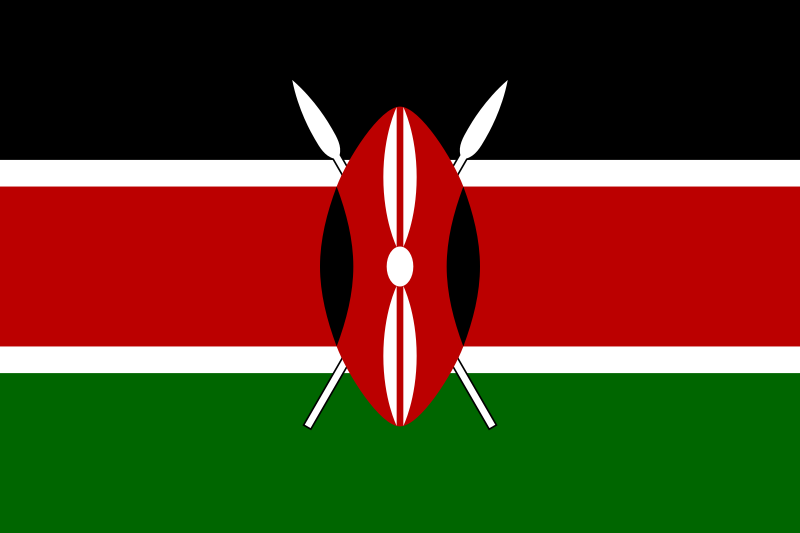
Kenya to Host East Africa Center for Disease Control

After a successful capacity assessment conducted by experts from various international health bodies such as World Health Organization (WHO), African Union (AU), US CDC and China CDC, Kenya has been selected to host the Eastern Africa Regional Collaborating Center of the Africa Centers for Disease Control (CDC). This was disclosed by the Health Ministry in a statement earlier this month.
According to the statement, the Africa CDC intends to use this center to monitor and address public health issues in the region as well as to monitor the response to and handling of emergencies and outbreaks within the region.
Kenya is said to have earned hosting rights because of the strength of it's disease surveillance systems and how it was engaged in sending health experts to Liberia and Sierra-Leone during the Ebola epidemic.
There will be a formal endorsement of Kenya to function in her new capacity by the Heads of state during the African Union (AU) summit. Other regional collaborating centers of Africa CDC are: Egypt, Gabon, Nigeria and Zambia.
Also included in the statement was the fact that, “The award is expected to strengthen the country’s health systems by enhancing disease surveillance capacity in terms of infrastructure and human resources, disease outbreak alert systems as well as improve laboratory capacity.”
This is a positive and commendable development and the health sector of Kenya is sure to experience a boost as a result of this.
 
Written By: Ozioma Paul

Tuesday, 14 June 2016

Ebola - like disease in South Sudan

Ipast weeks, an Ebola-like disease has hit South-Sudan and has claimed at least 10 lives. The mysterious South-Sudan fever is said to have symptoms similar to Ebola such as bleeding, fatigue and vomiting. However, laboratory tests so far have proven that it is not Ebola and the World health Organization has reported that unlike Ebola, these symptoms quickly disappear when the patients are treated effectively. Other observations and investigations have also revealed that this fever does not seem to be transmissible from person to person as is common with the Ebola virus disease, the mode of transmission is still unclear.

According to the World Health organization (WHO), South Sudan has since last December reported that there have been about 51 reported cases of the “undiagnosed hemorrhagic fever syndrome”. 
All of these cases occurred in the northwest countries and the WHO stated that the spread of this disease to this part could very well be attributed to the North-South Sudan Border movement.This has become a source of serious concern to South Sudan and international health bodies.

Rohit Chitale, an epidemiologist with the United States-based Center for Disease Control and Prevention (CDCP) stated that: “the lab results are not consistent with the symptoms, and that is what is concerning.” Blood samples were taken to WHO laboratories from South Sudan for further tests and reports have shown that although some of these blood samples tested positive to mosquito-borne viruses, none of them tested positive to Ebola or Zika Virus. This leaves the cause of the deaths still unexplained. Further laboratory tests are on-going to reveal the causative agent.

Tuesday, 31 May 2016

UN Health Agency launches Program for Outbreaks and Humanitarian Emergencies

The member states of the World Health Organization (WHO) have at the 69th World Health Assembly (Geneva, 2016) reached an agreement to establish a new Health Emergency Program. The assembly which holds every May is attended by delegations from all of the World Health Organization’s member states. Health, financial, and operational policies of the health agency are created or renewed at this gathering.
This new programme is designed to complement and improve upon the health agency’s traditional roles with operational capabilities for outbreak and humanitarian emergencies. The World Health Organization also stated in a news release that the program is designed to equip communities, countries and regions with rapid and comprehensive support in avoidance, recovery and management of disasters, disease outbreaks, and other emergencies.
Under this new programme, while the director-general is to have ultimate authority, the responsibilities of the executive director include overseeing: strategic planning, staff and partner relations, program budget and risk and performance monitoring. The regional directors are also responsible for day to day management of emergencies, partner and intergovernmental relations and enforcing programme standards.
According to the WHO, there has already been financial support for the new program from some member states: Australia, Germany, Japan and Sweden.
With the 130 million people in need of humanitarian assistance worldwide, this agreement by the member states serves as a huge encouragement for the WHO. The director-general of the World Health Organization, Dr. Margaret Chan welcomed this development as she stated: “I particularly welcome the contribution of $50 million from the government of Japan, a sign of confidence in our new Health Emergencies Programme from a long-standing supporter of WHO’s work for emergencies.”
The member states’ delegates have agreed to a budget of $494 million for the 2016/2017 programme to help fulfill their new responsibilities. This is an increase of $160 million to the already existing budget for WHO’s emergencies work.  
WHO also reported that since February, several components of this new programme have already been used.  A major example according to Peter Graaff, the director of WHO’s Emergency Operations and Ebola Response is when $500 million was released to kick start operations within 24 hours of Dr. Chan’s declaration of Zika epidemic as a public health emergency concern.
This new programme is more standardized and is set to bring significant change in the World Health Organization’s handling of emergencies.


Written By: Ozioma Paul

Tuesday, 24 May 2016

WHO CONFIRMS ZIKA VIRUS IN AFRICA

Dr. Matshidiso Moeti, the Regional Director of World health Organization (WHO) for Africa has confirmed the spread of Zika virus in Africa.
The disease is caused by a certain breed of mosquito known as Aedes mosquitoes, it has been linked with microcephaly (a fetal brain abnormality in which babies are born with small brains). Some of the symptoms include mild fever, skin rash, conjunctivitis, malaise or headache and these symptoms often last for 2 to 7 days.
WHO stated that for the first time scientists were able to confirm the spread of the Asian spread of the virus in Cape Verde. Dr. Anna Checkly of the University College London Hospitals also stated that: “There has been an outbreak of the Zika Virus Infection in Cape Verde since October 2015, and today the World Health Organization confirmed that it is the Asian, rather than the African strain of the virus that is causing these infections.” Tests have proven that this Asian strain is the same one said to be responsible for the birth anomalies recorded in Brazil.  Dr. Checkly also warned that the Asian strain of the virus which was confirmed in Africa by the WHO is probably more infectious to humans than the African strain.
As stated by the Global Health Agency, In Cape Verde there has been over 7000 suspected cases and 180 pregnant women have been infected with the virus. Meanwhile, the World Health Organization has also stated that already three babies have been born with microcephaly.
Dr. Moeti has implored Africans Countries to increase awareness of the virus among pregnant women. She also advised that travellers protect themselves from mosquito bites although she said she would not recommend any strict travel restrictions.
There is currently no vaccine or specific treatment available to cure this disease. Hence, the best form of prevention and protection available is protection against mosquito bites.

Written by: Ozioma Paul

Monday, 4 April 2016

The Ebola virus outbreak is no longer an emergency!!!


The 9th meeting of the Ebola emergency committee organized by the World Health Organization (WHO) Director­ - General under the International Health Regulations (IHR) concerning the Ebola virus outbreak in West Africa took place on the 29th of March 2016. It was said at the meeting that the Ebola virus situation in West Africa is no longer a public health emergency of International concern. Hence, the suspension of the temporary recommendations adopted in its response.

The Director - General of the committee alluded to the fact that the meeting advised him that the Ebola situation in West Africa no longer constitutes a Public Health Emergency of International concern. He further reiterated that a cluster of new Ebola cases and deaths have been reported in Guinea and involve a single chain of transmission. In the committee’s view, the affected country(ies) have the required capacity and capability to manage the flare ups. 

He further said that experts on Ebola noted during the meeting that the Ebola response capacity in West Africa is strong. 

Also in anticipation of further flare ups, the committee has kept hundreds of its experienced staff ready to contribute to the kind of emergency response needed to interrupt the transmission chains.

Indeed this is great news! However, the West African community must maintain the capacity and readiness to prevent, detect and respond to any ongoing transmission or flare up of new cases in the future.


Meanwhile, in Liberia, a flare up of Ebola cases is being attended to by the Liberian health authorities. This latest flare up of Ebola in Liberia has been traced to a woman who arrived in Liberia from Guinea on the 21st of March 2016 after her husband supposedly died from unknown causes in Guinea.

Written By: Jimoh Waliu

Thursday, 14 January 2016

Lassa fever: A Wake-Up Call for Nigeria.

It is no longer news that for past six weeks, there has been an outbreak of Lassa fever in Nigeria that has spread to 10 states already. Described as “Ebola-Style” by The Associated Press, this outbreak has so far claimed 41 lives out of the reported 81 cases. The symptoms of Lassa fever are in some ways similar to Ebola from high fever, to hemorrhaging of the eyes, gum and nose to almost eventual death; this has brought fear to people within and outside Nigeria. The minister for health, Prof. Isaac Adewole in his speech last week in Abuja officially announced the outbreak and informed the general public to remain calm as he stated that measures have already been put in place to curb the spread of the disease.
Since its first episode 47 years ago, Lassa fever has continually remained a source of great concern to Nigerians as it has resulted in the death of poor Nigerians from time to time. The reasons for this may not be so far-fetched. Research has shown that regions associated with extreme poverty are more prone to spread of this class of disease. These regions are highly underdeveloped, and in most places the health system and hygiene of the people is way below standard. This includes their ways of food processing and storage, the state of their homes and social places, the clinics and hospitals. We would reckon from our previous posts that the Lassa fever is transmitted via the link human-rat and rat-human and the major source of transfer is exposing of food such that these rodents have access to them. This explains why these regions are mostly affected by diseases like this.
As we further examine the root cause of this recurring epidemic, Prof. Dennis Agbonlahor stated that “There is not enough awareness of the endemicity of this disease in Nigeria”. He also explained that, “There is a large reservoir of the Lassa virus in rodents, and experts believe getting rid of rodents that carry the virus would solve a large chunk of the problem.” In getting rid of these rodents, there is the need to ensure that proper personal and environmental hygiene is enforced and maintained.
Dr. Oyewole Tomori made a statement: that Lassa fever has been “an annual recurrent budget of death for the poor people of Nigeria”. He gave his reasons: “Because we have lived in a state of denial of the disease and handled it with characteristic laxity, laissez-faire, negligence sloppiness, slackness, disregard, triviality and freewheeling abandon”.
As pointed out by several people the major reasons why this disease is persistently periodic are: Poor personal and environmental hygiene, lackadaisical attitude of the government towards the disease and ignorance.
This outbreak and rapid spread serves as a wake-up call to the Nigerian government. Having lost 41 lives out of the reported 81 in 6 weeks, there is the need for the government to ensure that health centers across the nation are standardized and better equipped with facilities and adequate staff to combat and quickly curb outbreaks like this, especially in the not-so developed regions that are associated with high level of ignorance and poverty. There is also the need for the Nigerian Government to have stand-by rapid response teams heavily equipped such that at the slightest notification of outbreaks such as this, they swing full into action to prevent this manner of loss of lives. The government should also make efforts to encourage proper personal hygiene amongst the people and we may just be saying goodbye to our last occurrence of the epidemic.
Culled from: Daily Trust
Written by: Ozioma Paul

Friday, 8 January 2016

An Update on the Lassa fever outbreak in Nigeria ........

Lassa fever is an acute, infectious, often fatal illness characterized by high fever,
muscle pain, headaches, bleeding and death in severe cases. It is a viral disease caused by Lassa fever virus with an incubation of 6-21 days.

Lassa fever is Zoonotic in nature as it affects both humans and animals alike. The link to humans is the African soft-furred rat. This animal usually gets on to leftover food or food left to air dry in the open. While feeding on these, the rodents
may urinate and/or defecate and pass the virus on-to humans who eat the contaminated food.


In the past 47 years, Lassa fever has threatened Nigeria at different times and in the last six weeks, there has been an outbreak of the disease in Nigeria. This outbreak started in November 2015. The first reported case occurred in Bauchi and it thereafter spread to Kano, and subsequently six other states; namely Nasarawa, Niger, Taraba, Rivers, Edo, and Oyo.

This was confirmed in a report on 6th January, 2016 in Abuja, the country’s capital by Nigeria’s minister of Health, Prof. Isaac Adewole. In his speech, he stated that “The total numbers of suspected cases so far reported is 76 with 35 deaths, and a Case Fatality Rate [CFR]of 46 per cent. Our laboratories have confirmed 14 cases, indicative of a new episode of Lassa fever outbreak.”

According to the minister of health, the following measures have been put in place to curb the spread of the disease and to investigate and trace the reported cases:
Immediate Release of Adequate quantities of ribavirin. The specific antiviral drug for Lassa fever to all the affected states for prompt and adequate treatment of cases.
Sensitization, and mobilization of healthcare workers in the affected areas and the deployment of rapid response teams.

For now, most of these are already been implemented and the battle against Lassa fever is still on.

Written by: Ozioma Paul 

Wednesday, 6 January 2016

Lassa Fever in Taraba Nigeria .....

A new outbreak of Lassa fever in "Taraba" a state in Nigeria, has just been confirmed by the Taraba state Government. In the words of the commissioner of Health, “One person died and two others have been quarantined and their blood samples have already been taken to Irrua specialist hospital in Edo state for further confirmation.”

Seeing that this new development could create fear and panic among the people in this area who are just recovering from the Ebola scare in the West Africa region, Mr Vakkai in an address on Friday advised the general public to refrain from  panicking, he further added that the state government had swiftly responded to the outbreak.

 Talking on how the fever spreads he said;


“People usually get infected with the Lassa Virus after exposure to infected rodents, while person to person transmission occurs through direct contact with the sick person,”

He called on the residents to avoid contact with rats especially in the areas where the outbreak occurred.

“Other precautionary measures include putting food in rodent proof containers and wearing protective garbs such as masks, gloves, gowns among others,” he added.
 

Mr. Vakkai further called on residents to report to the nearest hospital any case of nasal bleeding, as well as bleeding through the anus and mouth which could also be symptoms of the disease.

Source : NG Premium times
Written by: Jimoh Waliu

Saturday, 26 December 2015

Ebola Update ... The fight against Ebola Virus Disease: An ongoing battle.


In April 2014, starting in Guinea, there was an outbreak of the Ebola Virus Disease which was the 26th outbreak in history and the longest Ebola epidemic so far. The epidemic ravaged throughout the year into 2015. Affected countries include Guinea, Liberia, Sierra Leone, Nigeria, Senegal, United States, Spain, Mali and United Kingdom. Highest number of cases and deaths recorded were in Liberia, Sierra Leone and Guinea.
Efforts have been going on especially in the highly affected nations to curb the epidemic. The last cluster of cases recorded of the Ebola virus occurred in Liberia, the first case in the cluster was a fifteen-year old boy who was reported dead on 23rd November, 2015. The two other cases: His 40-year old father and 8-year old brother were tested and twice, they tested negative and were discharged on 3rd December, 2015.
As at 11th December, 2015, rVSV-ZEBOV Ebola Vaccine had been administered to the 210 cases associated with the cluster. This cluster of cases in Liberia is said to have been caused by a resurgence of Ebola virus in a formerly infected fellow. Even though the probability of transmission through resurgence of the virus from a previously infected person is low, there is need to put in place a care-plan and follow-up services for those who survive the disease to ensure there is no re-emergence. In Liberia and Sierra Leone, work is already been done and clinical services are already being put in place to cater for the survivors. This care-plan project for survivors is due for completion in January 2016.
There is also a surveillance system in place to keep close watch on sicknesses and deaths with suspected trace to the Ebola Virus Disease. This is to ensure there is no reemergence of EVD. Rapid response teams have been set up across the affected nations, at least one in each nation to ensure that they are able to detect, test and investigate, manage and curtail any new cases that may surface. These measures are to reduce the risks of the disease and improve emergency response in event of new cases.
As long as a particular state, city or nation still has traces of Ebola Virus Disease and has not been declared “Ebola Free”, people everywhere may still be at risk. Every country should be prepared and ready to effectively detect, investigate, test for, and manage the spread of the disease. They should also have adequate and well-monitored healthcare systems for both new cases and survivors.

Written By: Paul Ozioma

Wednesday, 16 December 2015

Pneumonia and why Africans need to do more to prevent child deaths.

Pneumonia accounts for 15% of the deaths of children below the age of 5 all around the world. It has been the major cause of child mortality in the world and it is especially high in sub-Saharan Africa and south Asia, killing an estimate of 922,000 children in 2015.

Pneumonia is an acute respiratory infection that affects the lungs; it is characterized by difficulty in breathing. Pneumonia can be caused by viruses, bacteria or fungi, with Streptococcus pneumoniae, and Haemophilus influenza being the commonest form of bacterial pneumonia infection, and Pneumocystis jiroveci the commonest form of viral pneumonia.
Symptoms of pneumonia are the same for bacterial and viral infections although they are usually more pronounced earlier in bacterial infections. Viral pneumonia infections usually display  symptoms more slowly. Some symptoms include; rapid breathing, chest pain, short breath, cough, fever and body ache.
Pneumonia in the under five population is a global issue, however it seems to be more prevalent in sub Saharan Africa due to public health related reasons. 
One major problem faced in combating pneumonia infection in children is its early and accurate diagnosis. This has led to a project called Pneumonia diagnostic project,which is funded by the Bill and Melinda gates foundation.
Another challenge is that most care givers do not recognize the signs and symptoms of this deadly disease and this often results in late presentation, diagnosis and treatment with increased morbidity and mortality.
 
The good news is that Pneumonia can be prevented by immunization. An immunization against pneumococcus could save the lives of millions of African children. Governmental and non-governmental organizations could design initiatives to scale up immunization efforts against this killer disease.
Concerning the prompt treatment of this disease, potent and effective antibiotics could be made available in public health facilities at cheap and affordable rates, while efforts to train community health workers and first level health workers continue

Access to health care should also be improved as this would aid in early presentation and detection which would also result in prompt treatment and an overall reduction in the morbidity and mortality due to this disease.

More awareness campaigns and activity need to be carried out, to teach care givers to identify this disease early and seek prompt treatment. 

The health of the under five population has a major correlation with the future of a society, we cannot afford to become complacent. The decisions we take today as regards the health of the under five population go a long way in determining the future of our continent.

Take action today against Pneumonia!
 
Written by: Jimoh Waliu

Friday, 4 December 2015

CANCER IN AFRICA: THE WORK AHEAD.


Even with the recently concluded World's Breast cancer awareness month, majority of  Africans are still unaware of cancer as a killer disease. Lifestyles, habits and day to day choices among other factors are major determinants of the probability of developing cancer in an individual's lifetime.”
Cervical cancer is the commonest form of cancer among African women, other common forms include; breast, prostrate, lung, colorectal and stomach cancer. Polygamy, early sex and child marriage among many other factors have been found to be high risk factors for cervical cancer in African women.
Hormonal levels have also been linked to breast cancer, with pregnancy, menstrual cycle, time of menopause etc. as key determinants of hormonal level in women.
Other factors that cause cancer are advancing age, gender, race, improper use of alcohol, unhealthy diet, tobacco and physical inactivity. Major forms of treatment for cancer include; the use of chemotherapy, radiation and surgery.
Early detection of cancer is very important as once cancer metastasizes it becomes very hard to treat. Since most African countries do not have access to proper health facilities and timely treatment is inaccessible, the mortality rate for cancer in African countries is alarming.
In developing African communities alcohol is still being abused, tobacco, weed, morphine and morphine derivatives among other drugs are sold illegally and this has been linked to the occurrence of cancer.
There is the need for more enlightenment on the subject matter among Africans. Proper awareness concerning cancer should be advocated for.  
Even with the just concluded breast Cancer awareness month, an average African woman still does not know what breast Cancer is all about and where she stands as regards this disease. Also, there is the need for governments to organize cancer screening programs.
Cancer medications should be subsidized by governments and other partner organizations in the health sector. Currently, they are still sold at exorbitant rates. It should be noted that cancer treatments are costly and therefore subsidy schemes that can help relieve the burden of the populace will go a long way in reducing the mortality rate by increasing compliance and early detection

Certain groups of people should be given due consideration: young children, unemployed youths, the aged/elderly, disabled people among others. If possible, cancer treatment should be made free for them. 

Proper allocation of funds to the health sector can help to boost this scheme. Plans should be made to put in place adequate equipment for cancer screening and treatment. Subsidized loans can also be granted to under payed/ underemployed people. Better insurance schemes may be developed and made available to everyone. NGOs could also develop plans to help combat this high mortality/morbidity rates from cancer through fund raisers, sponsorships and soliciting for assistance for cancer patients.
The food and drug regulation authorities should also help to create and maintain proper standards in food and drug producing companies. Improper processing and packaging of foods are also predisposing factors to cancer. Quality control and assurance should be monitored in drug producing firms. Drugs when not properly processed often turn into dangerous chemicals and toxins that build up in the human body to manifest into cancer in the years to come.
Physical inactivity has also been linked to cancer. Proper sanitation, improvement and development of eco-friendly facilities like parks, gymnasiums, and stadiums to help increase day-to-day activities and reduce sedentary lifestyles should also be advocated for. 

Tangible investments in community development by both the public and private sector and members of the civil society will go a long way in creating healthier and cancer free communities.  
Written By: Jimoh Waliu